






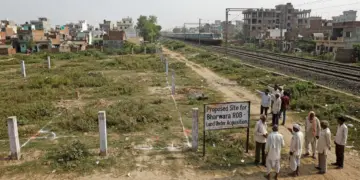
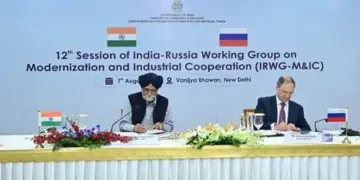

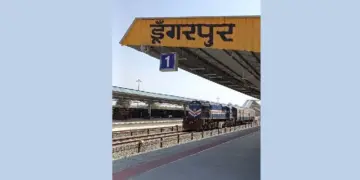
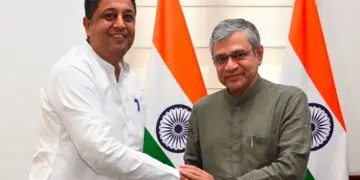





The long-awaited Ratlam-Banswara-Dungarpur railway line, a project that has remained in limbo for 15 years, is finally showing signs of movement. Union Railway Minister Ashwini Vaishnaw recently confirmed that the initiative, which was first approved during the 2011-12 fiscal year, has achieved a critical milestone in land acquisition. This development brings a glimmer of hope to residents of Southern Rajasthan who have been waiting over a decade for improved rail connectivity.
- Land Acquisition Progress: 646 hectares of the total 1,736 hectares required have been successfully acquired.
- Financial Investment: A total of 243 crore rupees has been spent on the project as of March 2026.
- Project Scope: The rail line spans 189 kilometers and aims to bridge connectivity gaps in tribal-dominated regions.
- Approved Budget: The project carries a total approved budget of 2,083 crore rupees.
Overcoming Years of Stagnation
Since its inception, the project faced significant hurdles, primarily regarding land acquisition and disagreements over the 50:50 cost-sharing agreement between the Rajasthan government and the Ministry of Railways. Disputes over the state’s share of escalating costs had effectively stalled progress for years. To address these bottlenecks, officials have explored alternative frameworks, including the implementation of a Special Purpose Vehicle (SPV) model, to ensure the project does not remain abandoned.
Impact on Local Connectivity
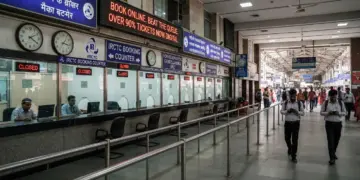
The 189-kilometer route is vital for the socio-economic development of Southern Rajasthan. Currently, passengers from Dungarpur and Banswara are forced to rely solely on road transport to reach major railway hubs like Ratlam, Udaipur, Himmatnagar, or Ahmedabad to access long-distance train services. This heavy reliance on road travel is both time-consuming and inefficient for the local population.
With the recent progress in land acquisition, the Ministry of Railways appears committed to reviving this infrastructure project. While the road ahead remains long given the remaining land requirements, the infusion of funds and renewed administrative focus marks a positive turning point for the tribal regions of the state. Railway enthusiasts and local commuters alike will be closely watching for further updates as the project moves into its next phase of construction.