







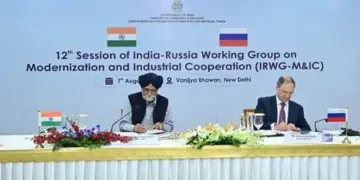
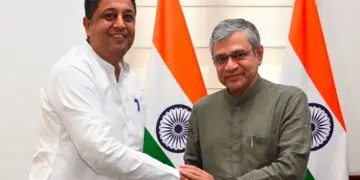




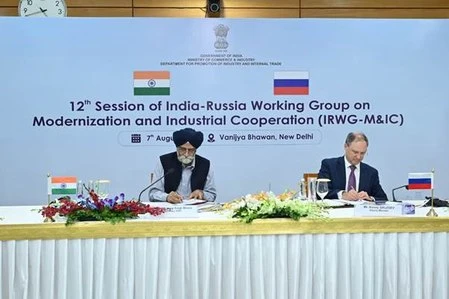

India and Russia have officially agreed to deepen their strategic partnership by enhancing collaboration across several critical sectors, with a major focus on the modernization of railway transport. This agreement, aimed at fostering technological exchange and long-term economic growth, was finalized during a high-level bilateral meeting held on Friday, August 7, 2026.
Key highlights of the agreement include:
- Expansion of railway transport cooperation to modernize infrastructure and technology.
- Joint development initiatives involving unmanned aerial vehicles (UAVs) and the SJ-100 regional aircraft.
- Strategic collaboration on critical minerals to support industrial manufacturing.
- Participation from 60 representatives from both nations during the 12th India-Russia Working Group meeting.
Focus on Railway Modernization
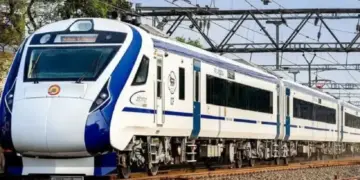
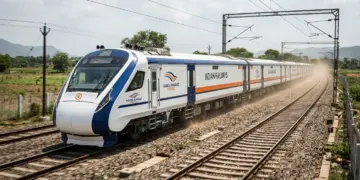
The 12th meeting of the India-Russia Working Group served as a platform for both nations to outline a roadmap for future infrastructure projects. By integrating Russian expertise in heavy-haul logistics and advanced rail engineering, Indian Railways aims to accelerate its ongoing modernization drive. The consensus reached on August 7, 2026, signals a commitment to sharing technical knowledge that could significantly impact the efficiency and safety of train operations across the country.
Strategic Technology Partnerships
Beyond traditional rail transport, the partnership extends into the aerospace and resource sectors. The inclusion of the SJ-100 regional aircraft and UAV technology in the cooperation framework suggests a broader push toward self-reliance in high-tech transport solutions. With approximately 60 delegates in attendance, the meeting underscored the importance of this bilateral relationship in navigating the evolving demands of global transportation and supply chain security.
For railway enthusiasts and industry stakeholders, this partnership represents a major step forward. As Indian Railways continues to expand its network and upgrade its rolling stock, the synergy with Russian technology is expected to play a pivotal role in shaping the future of India’s transit infrastructure. The collaboration on critical minerals will further ensure that the raw materials required for advanced railway components remain accessible, stabilizing the supply chain for future projects.