






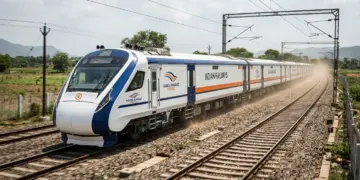


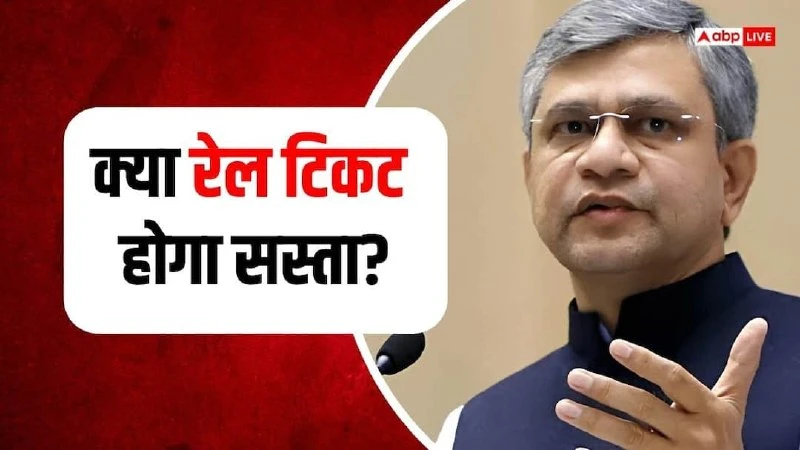

Indian Railways has significantly improved its financial standing by clearing a massive debt burden accumulated over the last few years. Union Minister Ashwini Vaishnaw informed the Rajya Sabha on August 7, 2026, that the national transporter has successfully repaid approximately ₹1.93 lakh crore in principal and interest since the 2021-22 financial year. This development highlights the organization’s recovery following the economic strain caused by the COVID-19 pandemic.
Key highlights of the financial update include:
- Total debt repayment stands at ₹1.93 trillion, consisting of ₹1 trillion in principal and ₹93,000 crore in interest.
- The government provided a special pandemic loan of ₹79,000 crore to support operations during the crisis.
- Indian Railways has already utilized ₹1.14 lakh crore, or 39% of its total ₹2,93,030 crore budget grant for 2026-27, as of July 2026.
- The government continues to provide Gross Budgetary Support to reduce reliance on external loans for infrastructure projects.
Financial Health and Infrastructure Focus
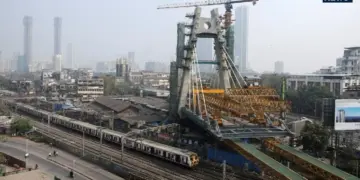
Despite the challenges posed by the pandemic, Minister Vaishnaw emphasized that debt servicing has stabilized. The current fiscal strategy prioritizes rapid infrastructure development and the expansion of the rail network. By relying more on budgetary support from the central government, the Railways is actively reducing its dependence on Extra Budgetary Resources, ensuring a more sustainable financial model for future upgrades.
Current Status of Passenger Fares
While the financial health of the organization is improving, there has been no official word regarding a reduction in passenger fares. It is important for travelers to note that Indian Railways continues to provide significant support to the public. As of late 2024, the Railways was subsidizing an average of 46% of every passenger’s ticket, which amounted to a total annual subsidy of ₹56,993 crore.
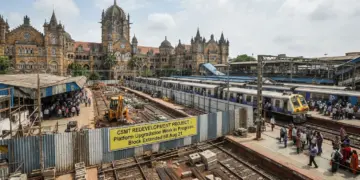
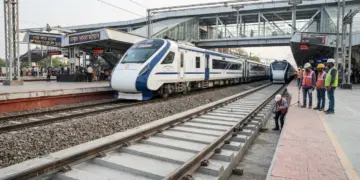
Previous adjustments to the fare structure occurred in 2025, including a minor increase on July 1 and a subsequent revision on December 26 for journeys exceeding 215 km. These measures were implemented to bolster revenue as the system continues to modernize its rolling stock and station infrastructure. For now, the focus remains on balancing operational costs with the commitment to provide affordable transport for millions of daily commuters across the country.