
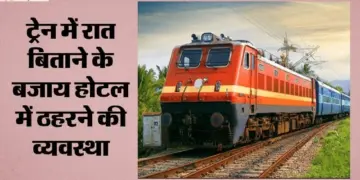

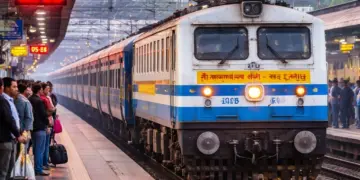

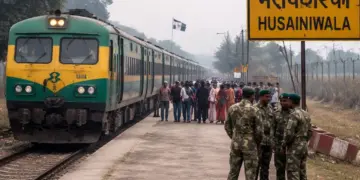
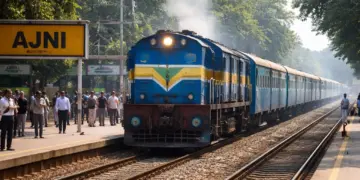



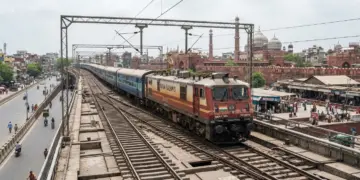

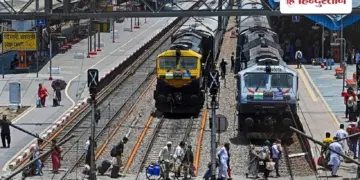

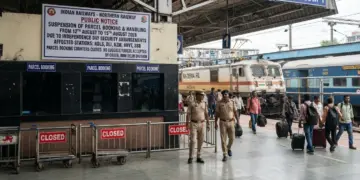
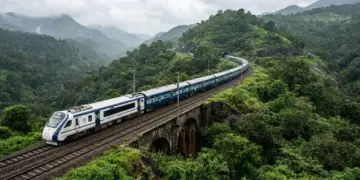
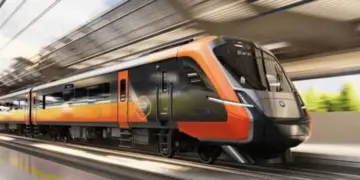
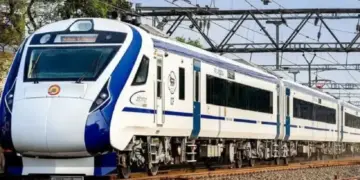



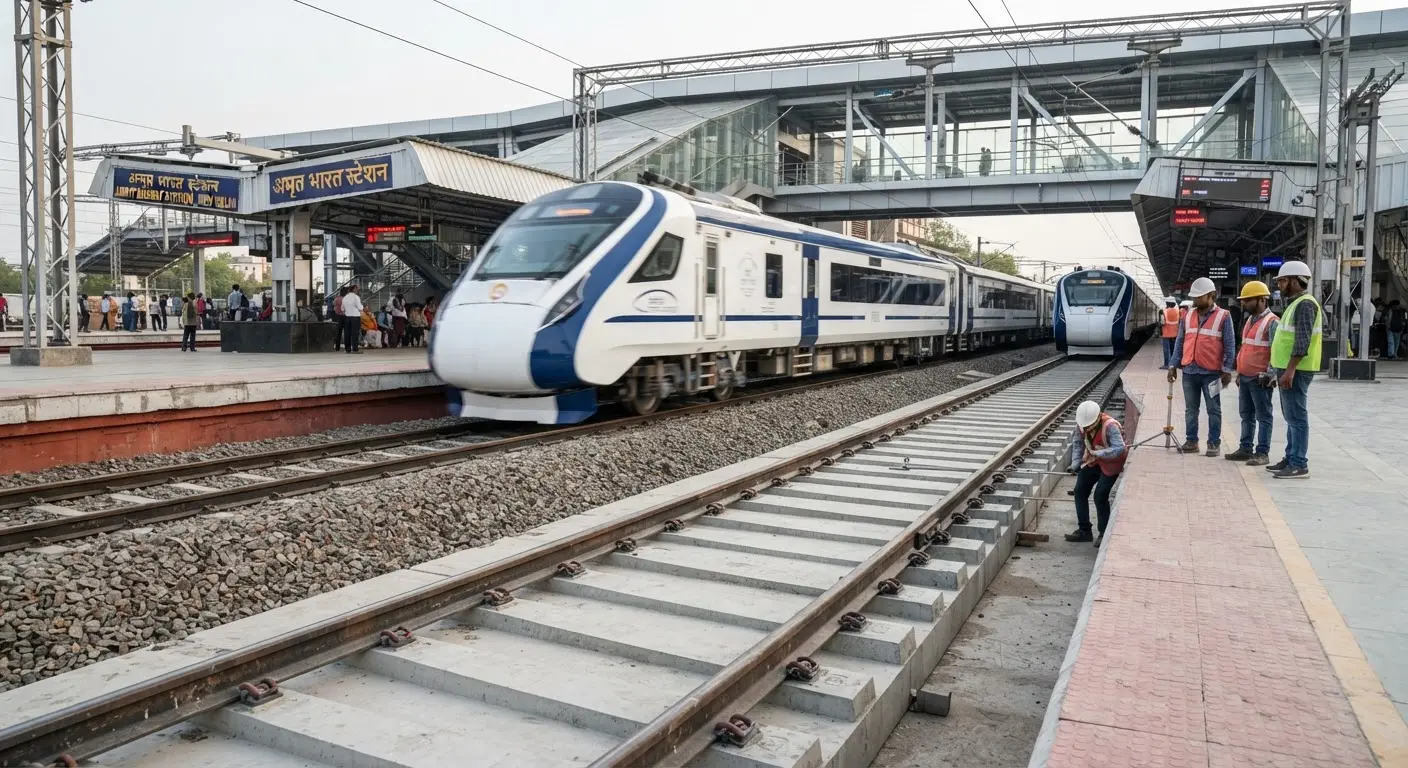

Indian Railways is set to modernize its infrastructure by introducing ballastless tracks at stations redeveloped under the Amrit Bharat Station Scheme. This technological shift is designed to maintain higher train speeds, reduce long-term maintenance requirements, and provide a sleek, modern aesthetic to railway platforms. Launched in December 2022, the scheme serves as a long-term roadmap for transforming the passenger experience across the national rail network.
Key highlights of the station development progress include:
- 1,340 stations have been identified for nationwide redevelopment under the scheme.
- As of August 2026, significant progress has been made, with 170 to 261 stations already reaching completion across different regions.
- The government has allocated a substantial budget of ₹11,972 crore for the 2026-27 financial year, with ₹4,633 crore already utilized by June 2026.
- Regional successes include the completion of 12 out of 61 stations in Karnataka, alongside the finished redevelopment of Jaisalmer and Barmer stations in Rajasthan.
Focus on Modern Infrastructure and Passenger Comfort
Beyond the transition to ballastless tracks, the Amrit Bharat Station Scheme is a comprehensive initiative aimed at upgrading the fundamental facilities of Indian railway stations. The plan includes the creation of master plans for phased improvements, which feature expanded station buildings, modern waiting halls, improved restroom facilities, and more comfortable seating arrangements.
To ensure better passenger movement, the scheme mandates wider foot overbridges, along with the installation of lifts and escalators to improve accessibility. Furthermore, the initiative seeks to integrate stations more effectively with the surrounding urban landscape, effectively turning them into city centers. This includes the development of dedicated parking facilities and the promotion of local economy through ‘One Station One Product’ kiosks, which provide a platform for local artisans and businesses.
By prioritizing sustainable and environment-friendly solutions like ballastless tracks—implemented based on site-specific feasibility—Indian Railways is moving toward a more efficient and passenger-centric future. These upgrades are not merely cosmetic; they represent a strategic commitment to enhancing the speed, safety, and operational efficiency of the country’s rail network for years to come.