






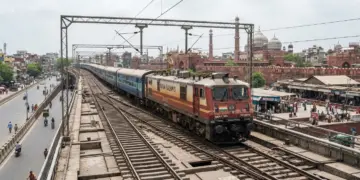

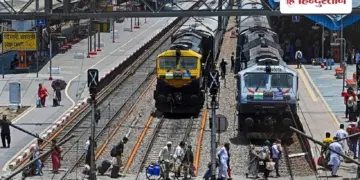

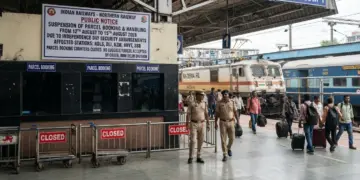
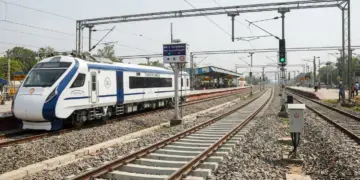

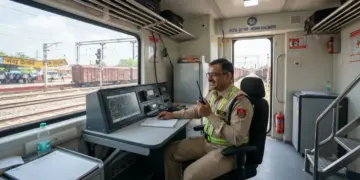

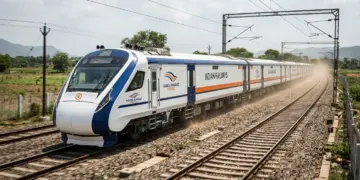


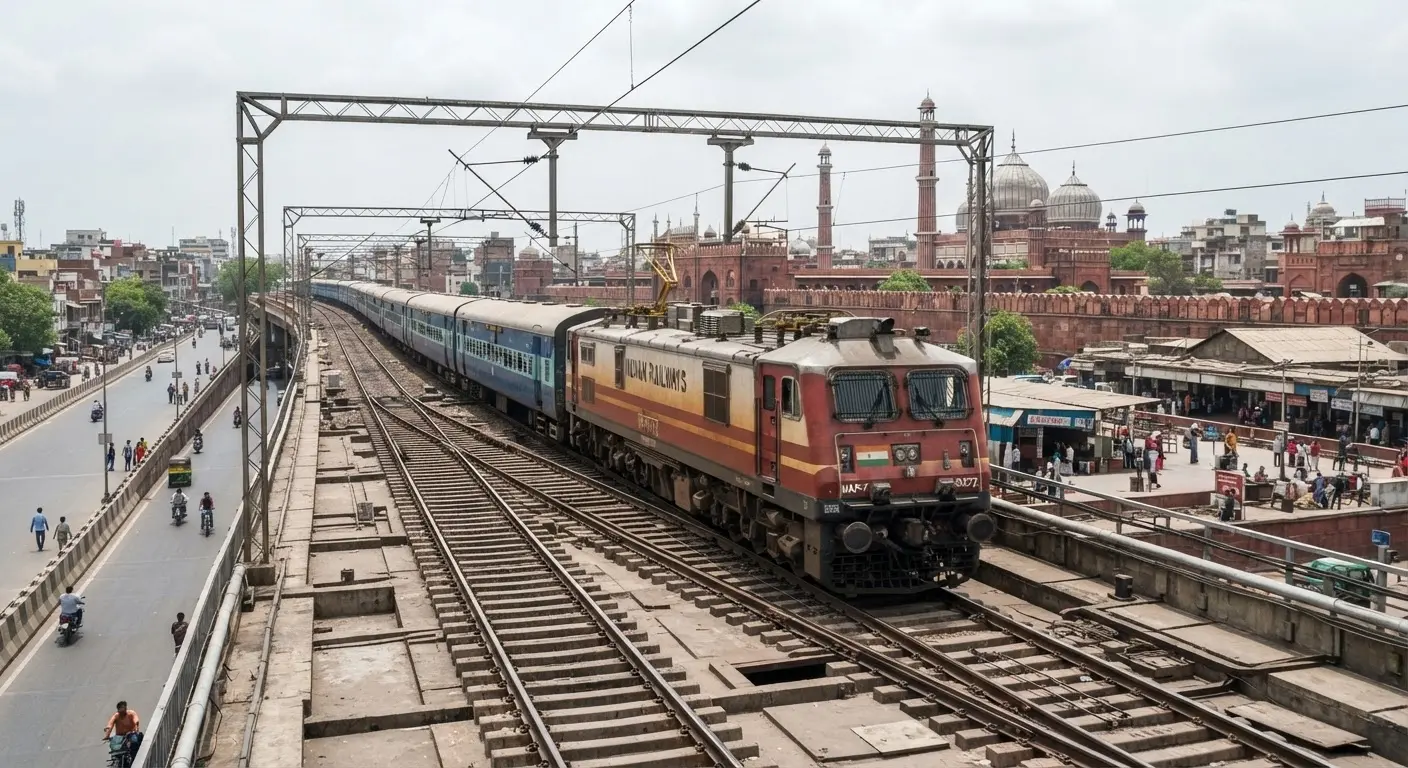

Indian Railways has successfully resolved a persistent technical challenge near Old Delhi that frequently caused trains to come to an abrupt halt. By implementing a specialized software update across its locomotive fleet, the national transporter aims to eliminate the operational disruptions previously experienced in the critical stretch between Dufferin Bridge and Pul Mithai. This upgrade ensures smoother transitions for trains passing through this vital junction, ultimately boosting overall punctuality and passenger convenience.
Key updates regarding this technical resolution include:
- Over 600 locomotives have been upgraded with the new software solution.
- The update specifically targets the “dead zone” between Dufferin Bridge and Pul Mithai.
- The software prevents the automatic application of emergency brakes while passing through the identified section.
- The successful resolution was officially reported on August 6, 2026.
Improving Operational Efficiency
For years, the section between Dufferin Bridge and Pul Mithai acted as a notorious “dead zone” for train operations. Due to technical interference, locomotives would often trigger automatic emergency braking systems, leading to unexpected stops that delayed train schedules across the Northern Railway network. These sudden halts not only frustrated passengers but also created a ripple effect of delays for subsequent services entering or leaving the Old Delhi station area.
To tackle this, railway engineers developed a targeted software patch. By modifying the engine’s response to the specific electrical or signaling conditions in that localized area, the software allows trains to maintain momentum without triggering safety interlocks unnecessarily. Since the implementation was confirmed on August 6, 2026, the transit process through this bottleneck has become significantly more reliable.
Benefits for Daily Commuters
This technical intervention is a major win for operational efficiency. By ensuring that trains do not come to a dead stop in this busy corridor, the Railways has cleared a significant hurdle that previously hindered the seamless flow of traffic. As of August 9, 2026, the system is reported to be functioning as intended, providing a much-needed boost to the punctuality of both short-distance and long-haul trains navigating the Old Delhi junction. Passengers can now expect a more consistent travel experience as these unnecessary technical halts are phased out, marking a positive step forward in the modernization of urban rail infrastructure.