





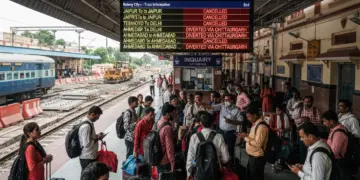

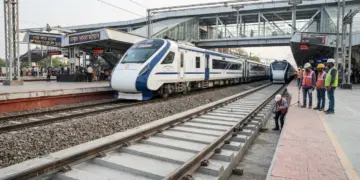
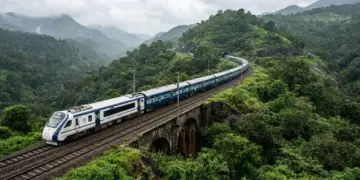
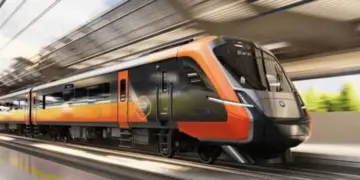
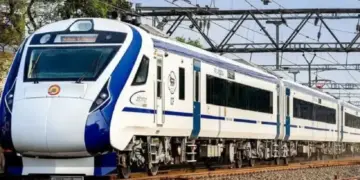
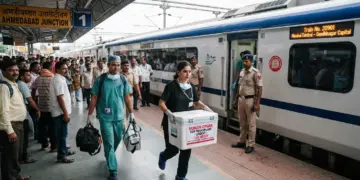
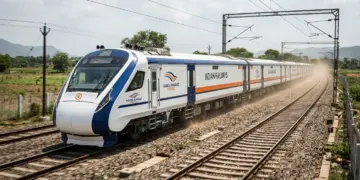


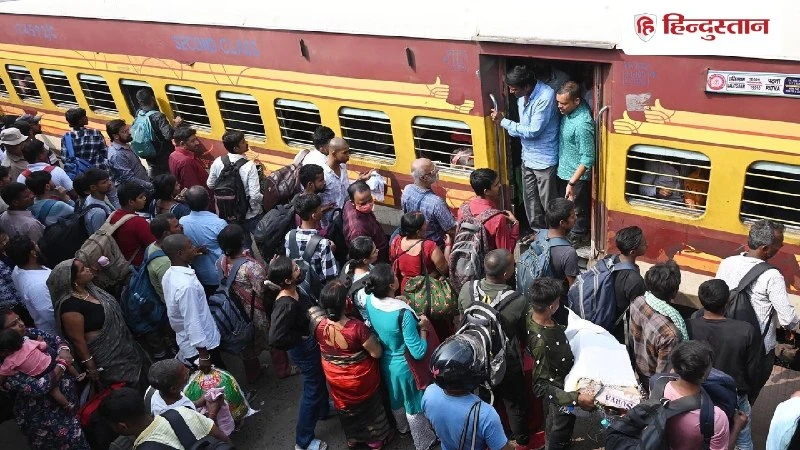

Indian Railways is launching a major initiative to tackle overcrowding on long-distance routes by implementing new structural standards for approximately 3,200 km of Mail and Express train services. By mandating a fixed minimum number of sleeper and general compartments, the national transporter aims to enhance passenger capacity and improve the overall travel experience for millions of commuters.
- Standardization to 24-coach LHB rakes across long-distance Mail and Express trains.
- Mandatory minimum of 6 to 8 sleeper coaches and 4 general coaches per train.
- Capacity expansion to accommodate 320 to 360 million additional passengers annually.
- Production of 9,640 new non-AC coaches underway for the 2025-27 period.
Restructuring for Better Passenger Comfort
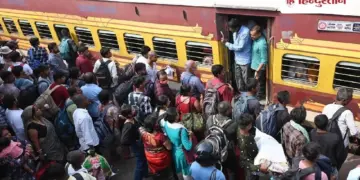
Currently, the typical configuration of an 18 to 22-coach Mail or Express train includes only four to six sleeper coaches and two to three general compartments. This often leads to severe overcrowding, particularly during high-demand periods like the festive season. Under the new guidelines, Indian Railways will transition these trains to a standardized 24-coach LHB (Linke Hofmann Busch) rake configuration. This shift is designed to ensure that every train has a sufficient number of budget-friendly coaches to meet passenger demand.
Massive Coach Production Drive
To support this infrastructure upgrade, the Railway Board has fast-tracked the production of new rolling stock. A total of 9,640 non-AC coaches are being manufactured, which includes 5,455 general compartments and 4,185 sleeper units. These are planned for deployment throughout the 2025-26 and 2026-27 fiscal years.
As of August 9, 2026, the progress report shows that 4,838 of these coaches have already been manufactured, consisting of 2,817 general and 2,021 sleeper compartments. The remaining coaches are currently in various stages of construction. This strategic move is expected to provide significant relief to daily commuters and long-distance travelers, ensuring that the network can better handle the growing passenger footfall during peak travel times like Chhath Puja and summer holidays.