



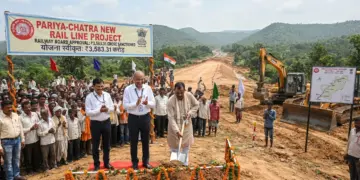
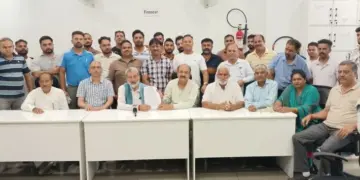
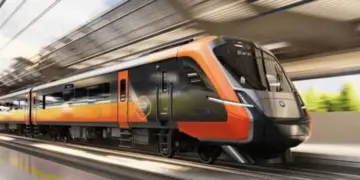
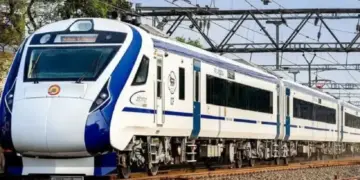
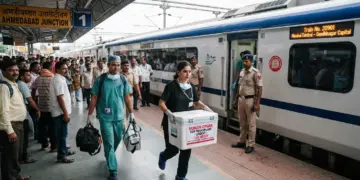


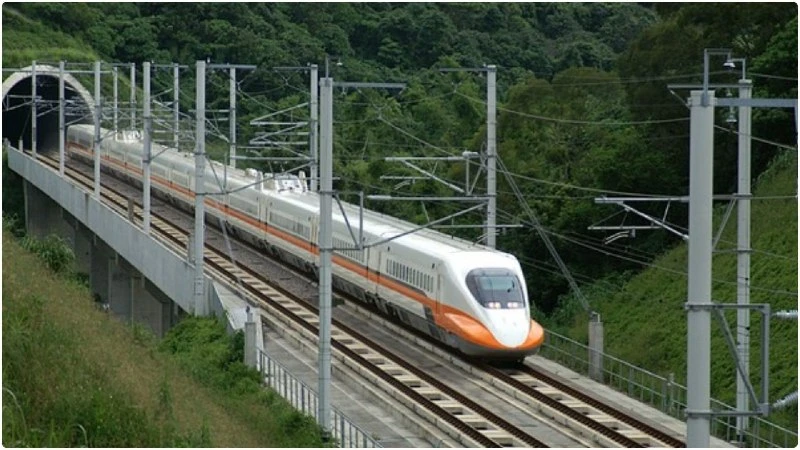

Thousands of farmers, local citizens, and social organizations took to the streets on August 9, 2026, to protest the government’s decision to alter the alignment of the much-anticipated Nashik-Pune semi-high-speed railway line. The large-scale “Chakka Jam” demonstrations caused significant traffic disruptions across the Nashik-Pune Highway and the Samruddhi Expressway, highlighting the growing frustration among residents who fear the new route will undermine regional development.
- Widespread protests occurred at Hivargaon Pavsa toll plaza and Gonde Phata, leading to the detention of key leaders including MLC Satyajeet Tambe.
- The original route was designed to connect Pune, Chakan, Rajgurunagar, Manchar, Narayangaon, Alephata, Sangamner, Sinnar, and Nashik.
- The revised alignment via Ahilyanagar and Shirdi reportedly increases travel distance by nearly 70 kilometers.
- A four-member committee led by Dr. Anil Kakodkar has been formed to evaluate the feasibility of the original route.
The Core Dispute and Technical Concerns
The controversy stems from the Railway Ministry’s decision to shift the alignment away from its original path. Officials have cited technical concerns, noting that the initial route could interfere with the sensitive signals of the Giant Metrewave Radio Telescope (GMRT) located at Khodad. However, protesters argue that this change is impractical and renders previous efforts, including ₹650 crore already disbursed for land acquisition, essentially wasted.
The original plan was envisioned as a vital economic corridor for North Maharashtra, Ahilyanagar, and Pune districts. Residents and local leaders, including Congress leader Balasaheb Thorat and MP Rajabhau Waje, argue that the diversion bypasses key towns that were promised connectivity, thereby negating the project’s primary goal of fostering regional growth.
Government Intervention and Future Outlook
In response to the mounting pressure, the Maharashtra government, acting on the advice of Chief Minister Devendra Fadnavis, constituted a four-member expert committee on August 7, 2026. Chaired by former Atomic Energy Commission Chairman Dr. Anil Kakodkar, the panel includes representatives from the Railway Board and top divisional commissioners. The committee is tasked with determining if the original route can be constructed without impacting GMRT operations. The panel is expected to submit its findings within two months, a timeline that protesters are watching closely as they continue their demand for the restoration of the direct rail link.