










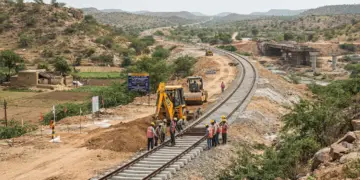
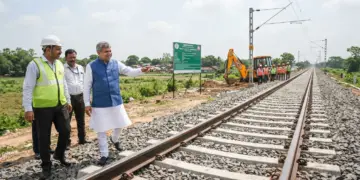


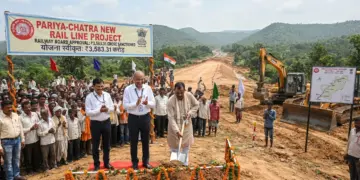






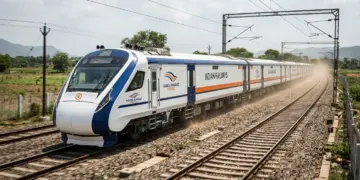


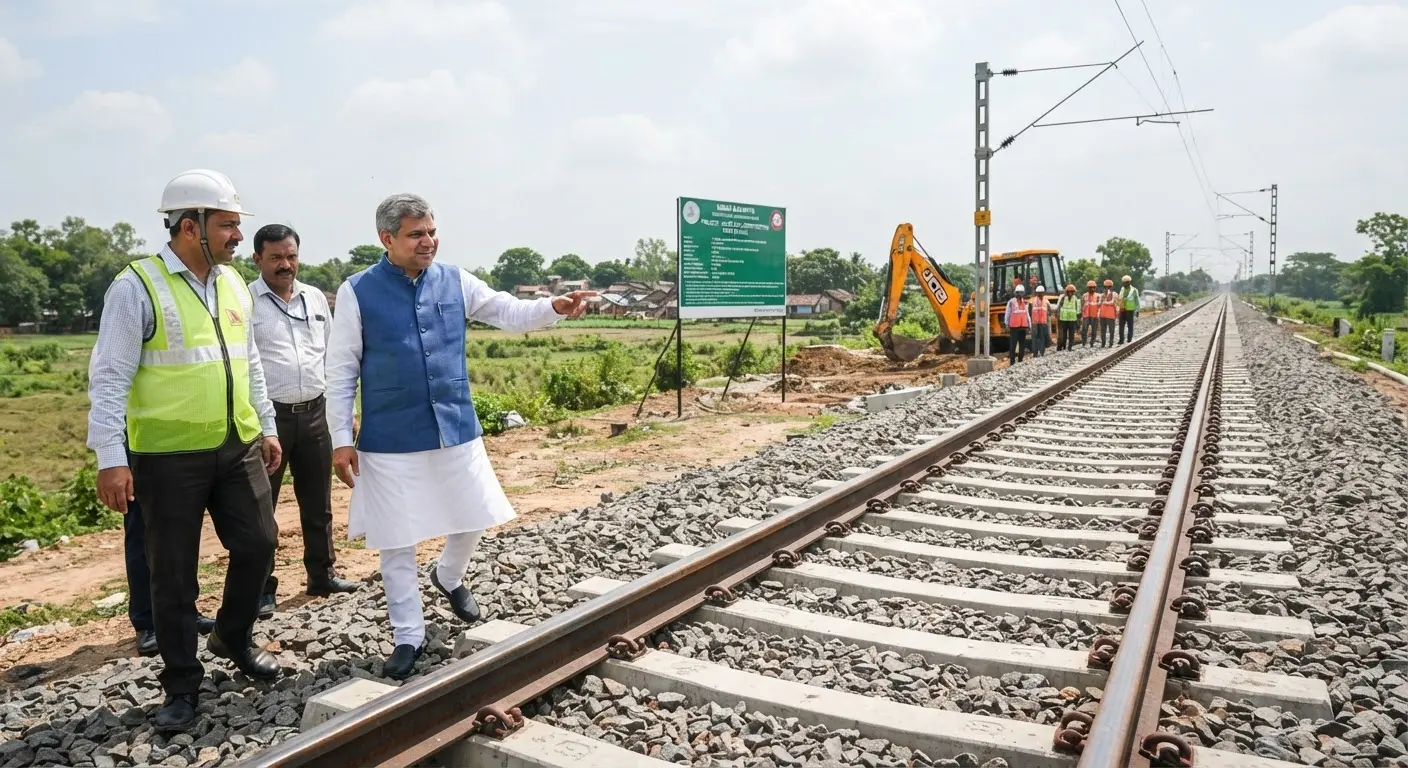

Union Railway Minister Ashwini Vaishnaw has announced a major infrastructure push for West Bengal, confirming the development of 423 kilometers of new rail lines. This initiative, detailed in a Rajya Sabha session on August 7, 2026, aims to revitalize the state’s rail network, improve freight movement, and provide better connectivity to underserved regions. The project encompasses 17 individual lines that were previously stalled due to land acquisition hurdles and coordination issues, now fast-tracked to meet growing public demand.
Reviving Stalled Projects and Infrastructure
Among the most notable projects receiving a fresh lease on life is the 65-km Bankura (Kalabati)-Purulia via Hura line. These projects will be executed across the Eastern Railway, South Eastern Railway, and Northeast Frontier Railway zones. To further enhance safety and reduce traffic congestion, the Northeast Frontier Railway has been granted approval for a new Road Over Bridge (ROB) located between Malahar Halt and Samsi on the Katihar Division, with an investment of ₹176 crore.
Enhanced Passenger Accessibility and Strategic Routes
To improve local commute, the Ministry of Railways has approved several new passenger halts. Commuters can expect new stops at Chandipur (Panskura-Digha line), Sidhu Kanho University (Purulia-Gourinathdham section), Nashipur (Bhadrpur-Lalgola section), Jangalpara (Howrah-Goghat section), and Rangmati (Muri-Gonda section). These additions are designed to bring rail services closer to residential hubs.
Significant progress is also being made on strategic border connectivity. The state government has fast-tracked the acquisition of 380 hectares of land for the Chalsa-Naxalbari line, a project of national importance near the India-China-Bhutan tri-junction. Originally sanctioned in 2011-12, this project is now back on track. Additionally, a 17-km line to Jaldhaka has been sanctioned with a budget of ₹272 crore. A joint survey by the Railways and the Forest Department is scheduled to finalize the alignment immediately after the monsoon, promising a boost to both regional security and North Bengal’s tourism sector.