

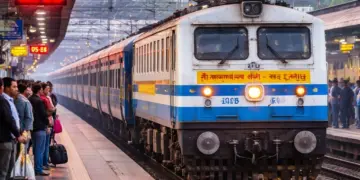

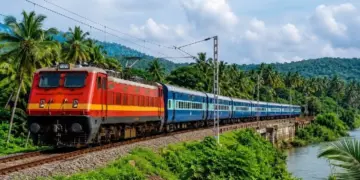
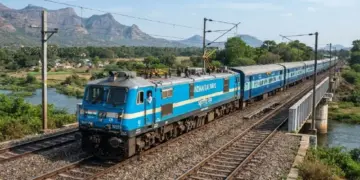
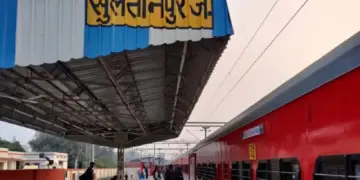
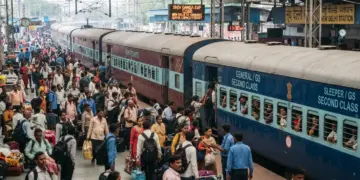
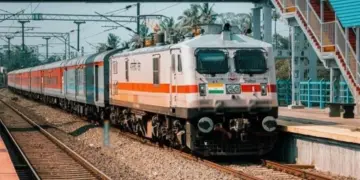
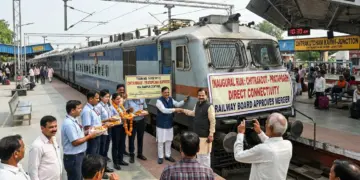
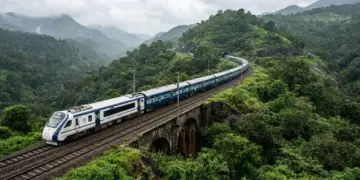
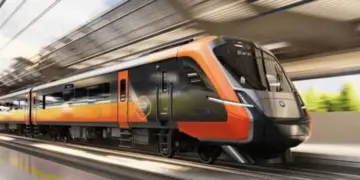
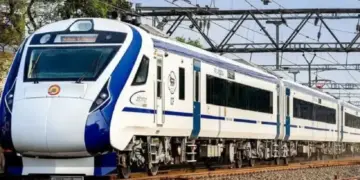
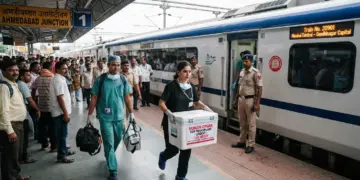
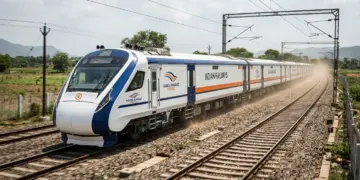


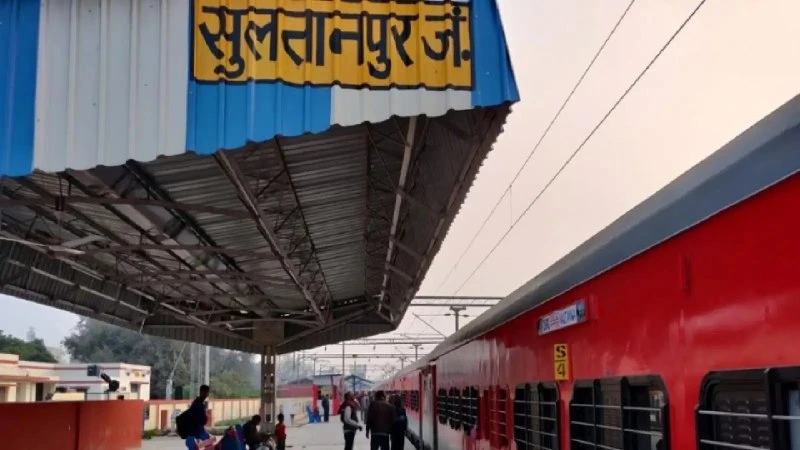

The Indian Railways has officially greenlit the introduction of a new tri-weekly superfast express service connecting Sultanpur in Uttar Pradesh to Kalka in Haryana. This long-awaited route is set to bolster connectivity between the regions, providing a seamless travel option for thousands of passengers heading toward the Himachal border and the bustling Tricity area of Chandigarh, Panchkula, and Mohali. According to the official Railway Board letter number CC-193/2026, the service will be operated using modern Linke Hofmann Busch (LHB) coaches, ensuring higher safety standards and a more comfortable journey for commuters.
- Train Numbers: 22260 (Sultanpur to Kalka) and 22259 (Kalka to Sultanpur).
- Frequency: Tri-weekly service departing on specific days from both ends.
- Key Route: The train will serve 15 major stations including Lucknow, Kanpur, Meerut, and Chandigarh.
- Speed and Safety: Equipped with modern LHB coaches for enhanced passenger experience.
Schedule and Operational Details
According to the official directive issued by Sanjay R. Neelam, Director (Coaching) of the Railway Board, train number 22260 will depart from Sultanpur at 11:30 AM every Tuesday, Thursday, and Saturday. For the return journey, train number 22259 will depart from Kalka at 11:30 AM every Wednesday, Friday, and Sunday, reaching Sultanpur at 4:20 AM the following day.
Connectivity Across the Northern Corridor
The train route is strategically planned to cover 15 scheduled stops, ensuring that passengers from smaller towns gain direct rail access to major urban hubs. The complete list of halts includes Musafirkhana, Maharaja Bijli Pasi, Haidergarh, Rehmatnagar, Lucknow Charbagh, Unnao, Kanpur Central, Hathras Junction, Bulandshahr, Hapur, Meerut City, Muzaffarnagar, Saharanpur, Ambala Cantt, and Chandigarh.
Northern Railway officials have been instructed to commence the service as soon as possible. The board has also kept the provision open for an inaugural special train to mark the commencement of this route, which is expected to significantly ease the travel burden for residents of Uttar Pradesh seeking transit to Northern India’s educational and commercial centers.