










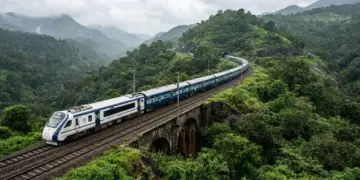
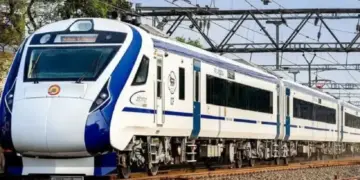



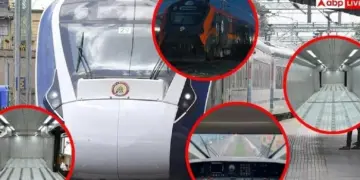
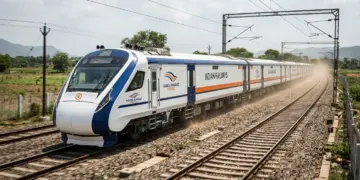


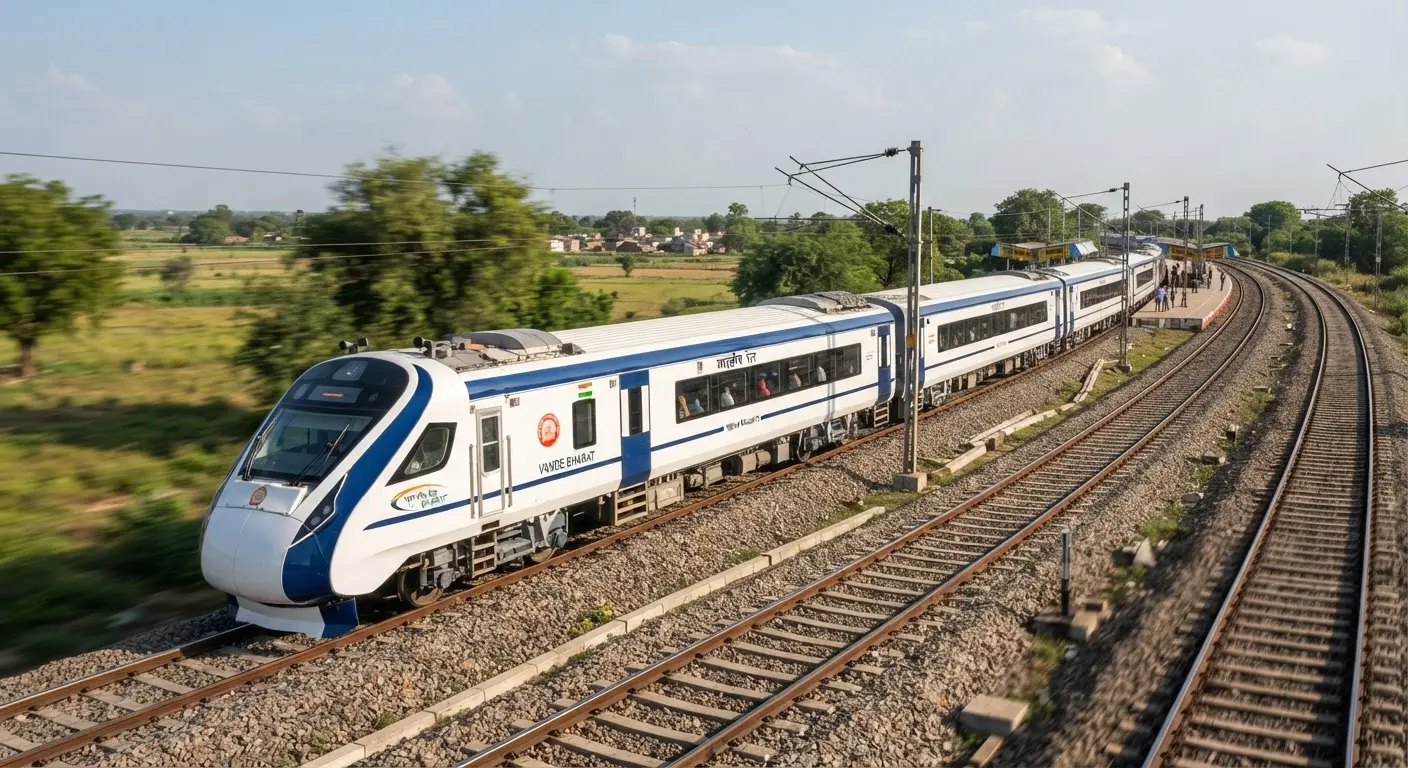

Indian Railways is embarking on a transformative infrastructure overhaul aimed at significantly boosting train speeds and reducing travel times across the national network. By leveraging advanced signaling protocols and safety technology, the national transporter aims to achieve a target speed of 160 KMPH by March 2027. This initiative is designed to modernize rail connectivity and drastically improve the overall passenger experience for millions of commuters.
- Targeting 160 KMPH: Infrastructure upgrades to support higher operational speeds nationwide by March 2027.
- Enhanced Signaling: A pilot project is underway to increase signal spacing from 1 km to 2 km, starting with Southern Railway.
- Kavach Integration: The Kavach Automatic Train Protection system is now the National ATP, with successful commissioning on the Prayagraj–Kanpur section.
- Next-Gen Trains: Production of 200 KMPH capable trainsets is scheduled for the 2027–28 fiscal year.
- Bullet Train Progress: Indigenous high-speed rail developments are ongoing, including the B28 prototype expected next year.
Infrastructure and Safety Upgrades
To safely facilitate speeds of 160 KMPH, the Railway Board is implementing critical technical changes. A key development is the pilot project to increase signal distance from 1 km to 2 km, which is essential for braking distances at higher velocities. Furthermore, the Kavach Automatic Train Protection (ATP) system has been established as the national standard. It was successfully commissioned in March 2026 on the high-density Delhi–Howrah corridor, specifically between Prayagraj and Kanpur. Under the ongoing Mission Raftaar, the Delhi–Kota section has already seen successful upgrades, with similar work currently progressing on the vital Mumbai–Delhi trunk route.
The Future of High-Speed Rail
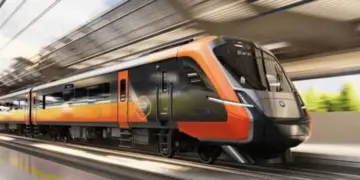
Beyond standard track upgrades, the Ministry of Railways is pushing for indigenous high-speed capabilities. In April 2026, the government cleared the manufacturing of two next-generation trainsets capable of reaching 220 KMPH, with production by BEML slated for the 2027–28 fiscal year. Additionally, plans for an indigenous bullet train with a top speed of 350 KMPH are in motion.
Progress on the Mumbai–Ahmedabad High-Speed Rail Corridor remains a priority, with the Surat–Vapi section expected to be operational in 2027. Supporting these ambitious goals, the Railways is developing the Bharat Train Control System (BTCS), a homegrown signaling protocol tailored for high-speed operations. With design approvals for new corridors expected by mid-2027, India is steadily positioning itself as a global leader in high-speed rail infrastructure.