


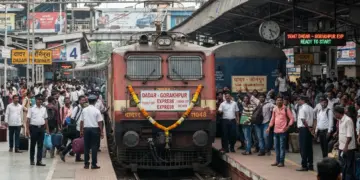
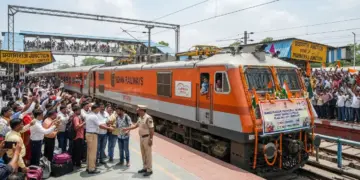
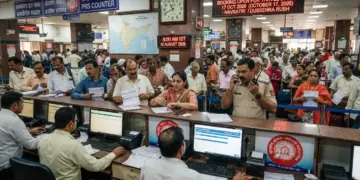



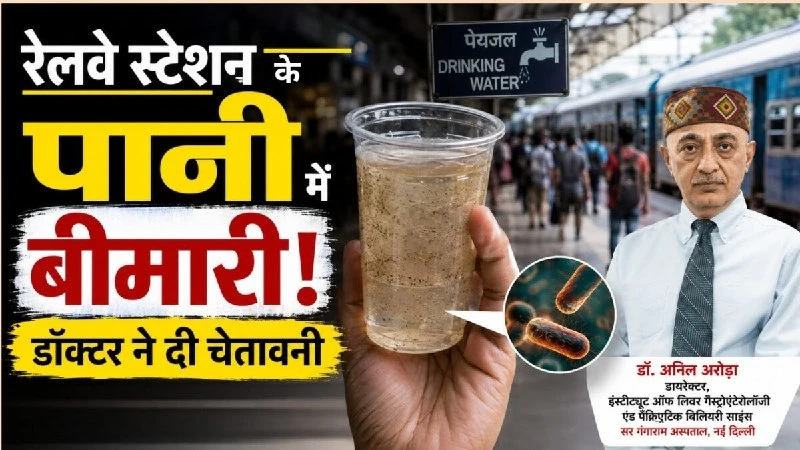

A recent report by the Comptroller and Auditor General (CAG) presented to Parliament has raised serious concerns regarding the quality of drinking water at railway stations across India. The audit, which assessed 512 non-suburban stations, found evidence of E. coli and ‘Total Coliform’ bacteria in water samples collected from taps and coolers. These findings highlight significant health risks for millions of passengers who rely on station water supplies during their journeys.
- Contamination found in major hubs: Water samples from stations including Coimbatore, Hyderabad, and Mumbai’s Chhatrapati Shivaji Maharaj Terminus tested positive for harmful bacteria.
- Lack of testing equipment: 436 stations across 15 railway zones were found operating without essential multi-parameter water testing kits.
- Infrastructure gaps: The audit noted that 89% of the audited stations lacked basic passenger amenities.
Government response and corrective measures
In response to the alarming findings, Railway Minister Ashwini Vaishnaw has prioritized an immediate overhaul of water safety standards. The Ministry of Railways has launched a comprehensive ‘Tank to Tap’ filtration system, which will be rolled out across 20,000 network locations. This initiative is designed to ensure that water reaching passengers is filtered and safe for consumption at every point of contact.
Furthermore, the Railway Board has ordered the systematic replacement of dilapidated water storage tanks that may be contributing to contamination. To ensure long-term accountability, the board has mandated strict, regular water quality testing protocols and a centralized monitoring system. The government has emphasized that providing clean and safe drinking water is now a top operational priority for Indian Railways, aiming to prevent future health hazards and restore passenger confidence in station utilities.
As the railways continue to modernize, these corrective steps mark a critical shift toward stricter health compliance and better infrastructure management across the country’s vast rail network.