

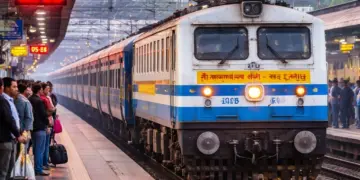








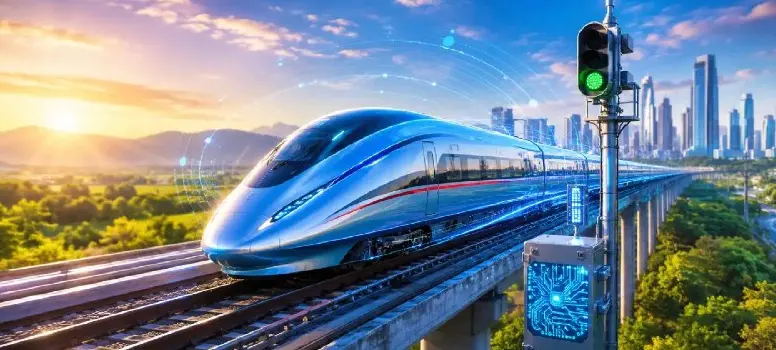

Indian Railways is taking a massive leap toward technological self-reliance by developing the **Bharat Train Control System (BTCS)**. This indigenous signaling protocol is set to power approximately **7,000 kilometers** of upcoming high-speed rail corridors across India, effectively ending the reliance on foreign signaling technology. The project aims to create an open-source, cost-effective solution that supports domestic suppliers and positions India as a future exporter of high-speed rail technology.
Key highlights of the initiative include:
• Development of the indigenous BTCS to replace foreign signaling standards.
• Strategic focus on the upcoming **Delhi-Varanasi-Siliguri high-speed corridor**.
• Integration of lessons from the **Mumbai-Ahmedabad High-Speed Rail (MAHSR)** project.
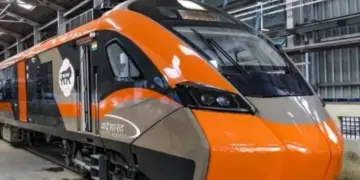
• Plans for trains to operate at speeds of **320 km/h** on new routes.
• Completion of the Delhi-Varanasi-Siliguri Detailed Project Report (DPR) pending final approval.
Advancing the Bullet Train Network
While the Mumbai-Ahmedabad corridor currently utilizes the **European Train Control System (ETCS) Level 2**—supported by a **₹4,100 crore** contract awarded in June 2025 to a consortium of **Dineshchandra R. Agarwal Infracon and Siemens**—the government is now prioritizing the BTCS for future projects. Officials are in active discussions with Japanese counterparts to shift toward this indigenous standard instead of Japan’s Digital Automatic Train Control.
The Delhi-Varanasi-Siliguri Corridor
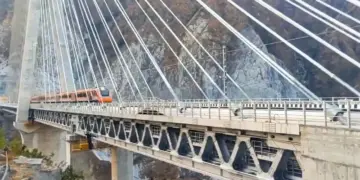
As part of the **Union Budget 2026-27** announcements, the Delhi-Varanasi-Siliguri line is poised to be India’s longest high-speed project. Stretching between **813 and 865 kilometers**, the elevated route will feature **13 to 15 stations**, including major hubs like **Noida, Jewar International Airport, Mathura, Agra, Lucknow, Prayagraj, and Varanasi**. Additionally, a dedicated **124-135 km link to Ayodhya** is in the pipeline.
Once operational, this corridor will significantly slash travel times, with **Delhi to Lucknow taking just 2 hours and 10 minutes**, and the full journey to **Varanasi taking approximately 3 hours and 50 minutes**. The **National High-Speed Rail Corporation Limited (NHSRCL)** has already begun tendering for civil structure designs, with aerial and ground surveys for the extended corridor scheduled to start in **July**. The final DPR for the entire network connecting Delhi, Uttar Pradesh, Bihar, and West Bengal is targeted for completion by **March 2027**.