





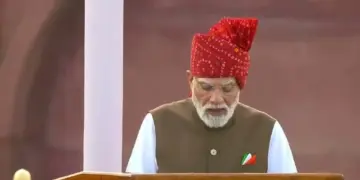






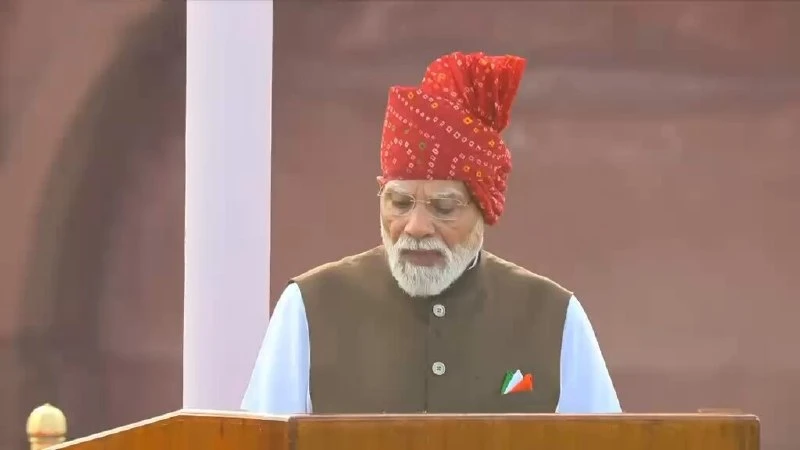

In a significant address during the 80th Independence Day celebrations at the Red Fort on August 15, 2026, Prime Minister Narendra Modi unveiled ‘Gati Shakti’ as the fourth pillar of the ‘Saptadhara’ framework. This ambitious vision is designed to propel India toward becoming a developed nation by 2047, with a primary focus on creating a seamless and integrated transport network across the country.
Key takeaways from the Prime Minister’s address include:
* The introduction of **Gati Shakti** as a cornerstone for national development.
* A renewed push for **high-speed rail connectivity** to bridge distances between major urban centers.
* An integrated approach combining **modern highways, inland waterways, and expanded airport networks**.
* A strategic shift toward **multi-modal logistics and port-led development** to boost economic efficiency.
Transforming the Future of Indian Travel
The Ministry of Railways has echoed this vision, highlighting that the future of Indian infrastructure relies heavily on the synergy between various transport modes. By prioritizing multi-modal logistics, the government aims to reduce transit times and lower the cost of doing business, which is essential for sustained economic growth. The focus remains on building an ecosystem where rail, road, and air transport work in tandem to provide a seamless travel experience for passengers and efficient transit for cargo.
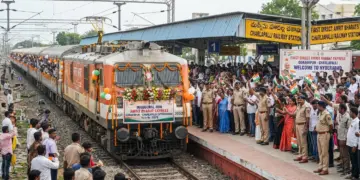
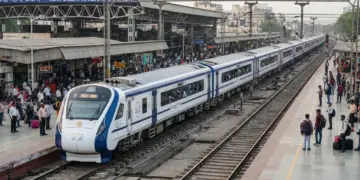
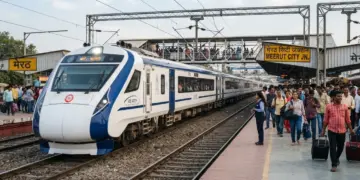
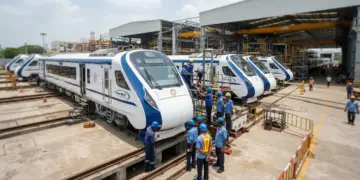
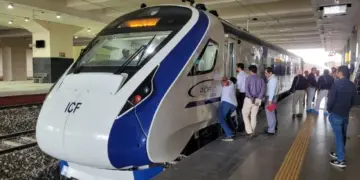
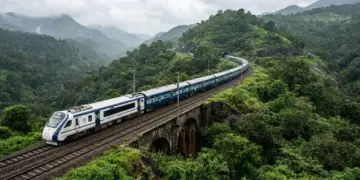
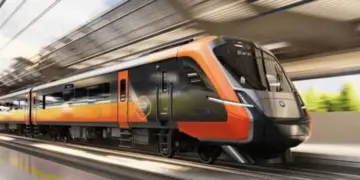
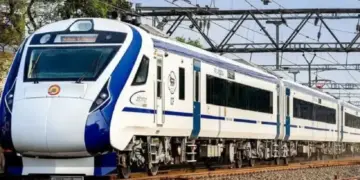
This announcement is particularly momentous as it aligns with the timeline for the **Mumbai–Ahmedabad High-Speed Rail Corridor**. As the nation marks its 80th year of independence, the deployment of India’s first bullet train stands as a symbol of the country’s technological advancement. This project is expected to revolutionize inter-city travel, significantly cutting down journey times and setting a new benchmark for rail infrastructure in India.
Commitment to a Developed India
The government remains steadfast in its commitment to utilizing these large-scale infrastructure milestones to accelerate national growth. By investing heavily in high-speed rail and modernizing logistics, India is positioning itself to handle the demands of a rapidly expanding economy. For the average traveler, these developments promise not just faster journeys, but a more reliable and world-class transit experience that will define the next two decades of Indian Railways.