

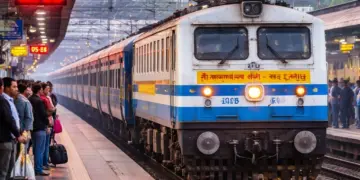

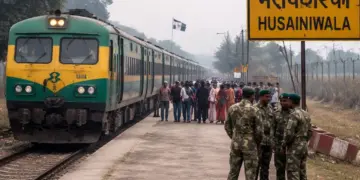
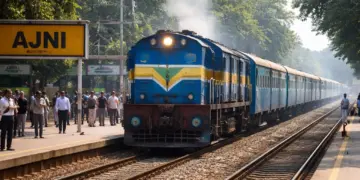



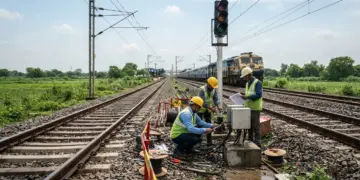

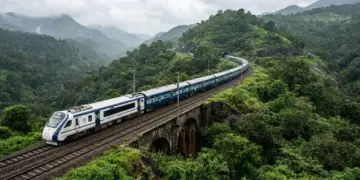
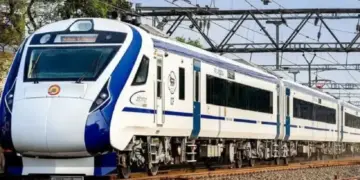
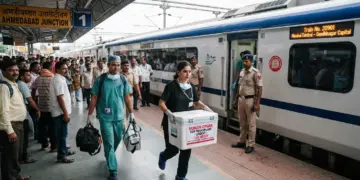



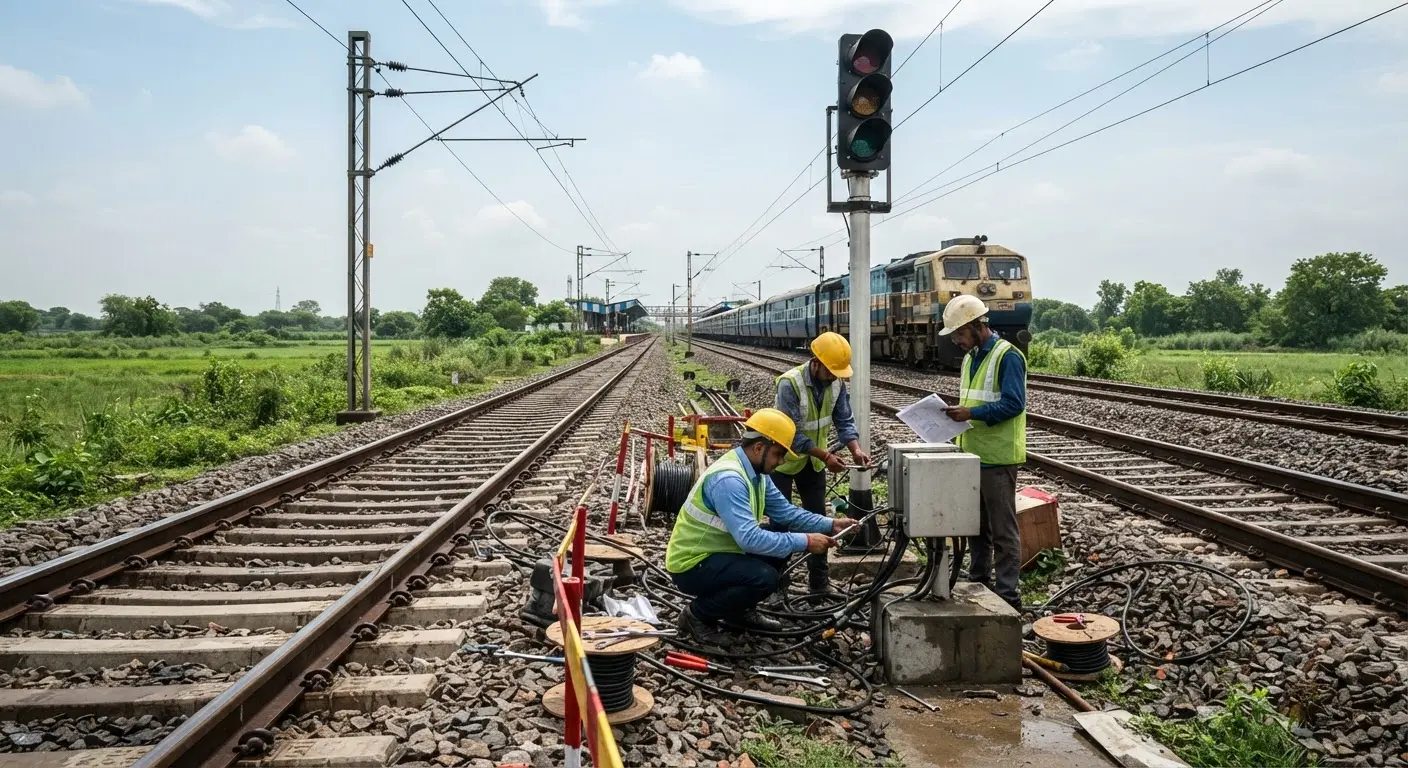

The Bareilly-Lucknow rail corridor is set for a significant safety upgrade as Indian Railways gears up to install an advanced automatic signaling system on the route. Following the conclusion of the upcoming monsoon season, work on this project will commence, marking a strategic move to boost train operations and passenger safety. Key highlights of this development include:
• Implementation of automatic block signaling to improve network efficiency.
• Enhanced safety protocols aligned with nationwide railway modernization goals.
• Standardized operating procedures for train crews in case of signaling failures.
• Monsoon-specific maintenance measures to ensure track and signal reliability.
Focus on Operational Safety
As part of a broader initiative to modernize its vast network, the Ministry of Railways is prioritizing the transition to automatic block signaling. This system allows for more precise train movement and reduces the distance between consecutive trains, effectively increasing the line capacity while maintaining the highest safety standards. The decision to initiate this work post-monsoon is deliberate, as it avoids the logistical challenges posed by heavy rains and allows for a more efficient execution of technical upgrades.
Nationwide Standardized Protocols
Beyond the physical infrastructure, the Indian Railways has taken steps to ensure that train operations remain seamless across all zones. Following a directive issued on August 16, 2024, the ministry established standardized operating procedures for train crews specifically regarding automatic signaling failures. These rules, which now apply uniformly across all 17 railway zones, ensure that loco pilots and station staff follow the same safety protocols, minimizing confusion and enhancing the overall security of the rail network.
Monsoon Preparedness and Infrastructure
Recognizing the challenges that the monsoon season brings to railway infrastructure, the ministry continues to emphasize proactive maintenance. Current efforts on the Bareilly-Lucknow route and across the country involve comprehensive track inspections, improved drainage systems, and vigilant monitoring of vulnerable locations. By combining these rigorous maintenance schedules with the upcoming installation of the new signaling system, Indian Railways aims to significantly reduce the risks of technical snags and signal-related delays. This project reflects the ongoing commitment of the national transporter to provide a safer, more reliable, and efficient travel experience for passengers on this busy route.