



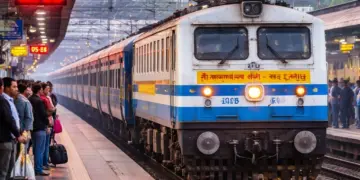

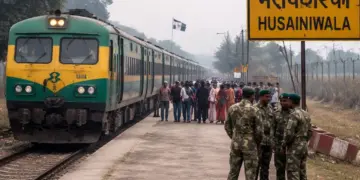
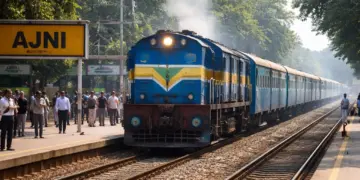









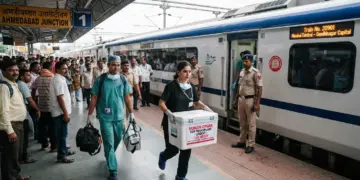





Unnao Member of Parliament, Acharya Mahamandaleshwar Dr. Swami Sakshi Maharaj, held a significant meeting with Union Rail Minister Ashwini Vaishnaw in New Delhi on Wednesday, August 12, 2026. The discussion centered on enhancing railway connectivity and infrastructure within his constituency, with a primary focus on restoring passenger services that were halted during the pandemic and upgrading local station facilities.
Key takeaways from the meeting include:
- Demand for the resumption of passenger train services suspended since the COVID-19 pandemic.
- Specific focus on the rejuvenation and development of Baiswara Halt Railway Station.
- Requirement for improved railway facilities across the Unnao constituency to support daily commuters.
Focus on Local Infrastructure
During the meeting, the MP emphasized the urgent need to address the challenges faced by local passengers in his constituency. By advocating for the rejuvenation of Baiswara Halt, the MP aims to modernize the station’s infrastructure, ensuring it meets current safety and passenger convenience standards. The proposal is viewed as a vital step toward improving the daily transit experience for thousands of commuters who rely on this halt for their travel needs.
Restoration of Services
Beyond station upgrades, the discussion touched upon the broader issue of train connectivity. Many passengers in the region have been waiting for the restoration of services that were discontinued during the pandemic period. The MP urged the Ministry to review these routes and prioritize the resumption of operations to restore normalcy and ease the commute for local residents.
Union Rail Minister Ashwini Vaishnaw reportedly gave the matters his full attention, acknowledging the concerns raised by the MP. While no immediate timeline for the projects was announced, the meeting marks a positive step toward potential infrastructure improvements and service revivals in the Unnao region. As the Indian Railways continues its mission of modernization, such representative feedback remains crucial for addressing specific regional needs.