









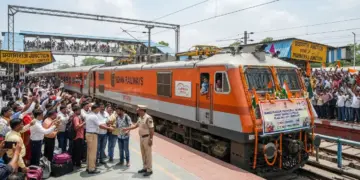





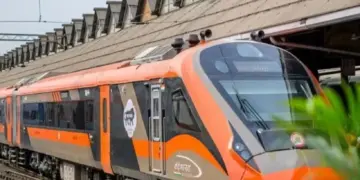
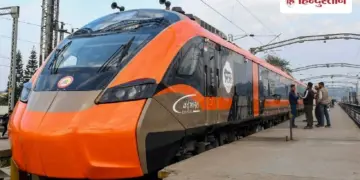



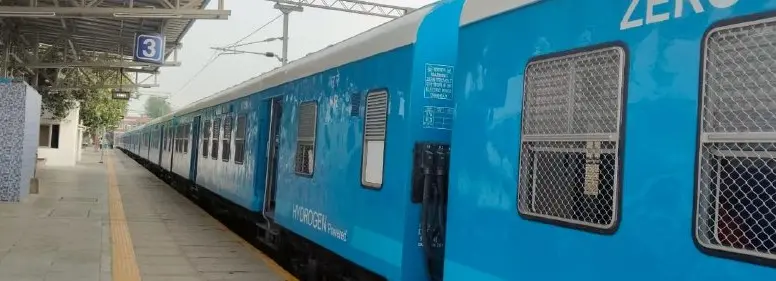

India’s ambitious journey toward a greener railway network has reached a major milestone as the country’s first indigenous hydrogen-powered train successfully completed over 1,200 kilometers of operations on the Jind-Sonipat route. Since being flagged off by Prime Minister Narendra Modi on July 17, 2026, the train has proven the viability of sustainable rail travel, aligning with the nation’s goal of achieving net-zero emissions by 2070.
Key highlights of this achievement include:
- 1,200+ kilometers of successful operational run completed by July 25, 2026.
- 3,200 liters of diesel consumption saved, with water vapor as the only emission.
- Powered by a 2,400 kW hydrogen fuel cell propulsion system.
- The project supports India’s Atmanirbhar Bharat initiative with full indigenous intellectual property rights.
The NaMo Green Rail Technology
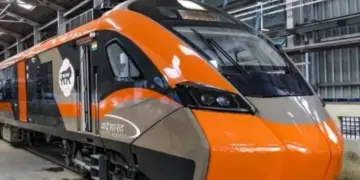
The “NaMo Green Rail” is a 10-coach marvel that generates electricity onboard through a chemical reaction between hydrogen and oxygen. Developed by the Research Designs and Standards Organisation (RDSO) and manufactured at the Integral Coach Factory (ICF) Chennai, the project showcases world-class engineering. The retrofitting contract was executed by Medha Servo Drives Ltd, ensuring that the existing rail infrastructure can be adapted for modern, clean energy solutions.
Infrastructure and Future Expansion
Supporting this green initiative is India’s largest railway hydrogen storage facility located at Jind. This facility, which utilizes a PEM electrolyzer supplied by GreenH Electrolysis, is licensed by the Petroleum and Explosives Safety Organisation (PESO) and boasts a storage capacity of approximately 3,000 kg of green hydrogen.
Union Minister for Railways Ashwini Vaishnaw highlighted that because India holds the full intellectual property rights for this technology, the nation is positioned to become a global exporter of hydrogen propulsion systems in the future. Following the successful completion of trials on the 89-km Jind-Sonipat line, the Indian Railways is now preparing to launch trials on the Delhi route. This transition marks a historic shift in passenger experience, promising a future of silent, zero-emission, and sustainable rail mobility for millions of Indian commuters.