




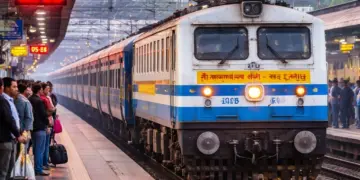







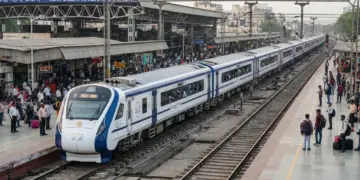


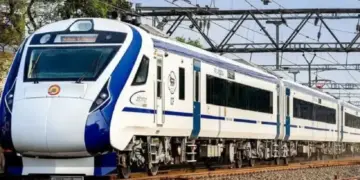




A recent audit by the Comptroller and Auditor General (CAG) of India has uncovered a major financial discrepancy involving Indian Railways. The report highlights that between April 2022 and March 2023, the national transporter collected approximately ₹168 crore in ‘superfast surcharges’ from passengers travelling on trains that did not actually qualify for the tag. Auditors found that over 190 trains were incorrectly categorized as superfast services despite failing to meet the mandatory speed requirements.
- 190+ trains were identified as non-compliant with speed standards.
- The illegal collection amounted to ₹168 crore in a single fiscal year.
- Superfast surcharge ranges from ₹15 for General class to ₹75 for First AC.
- A parliamentary committee has recommended an immediate halt to these charges for slow-moving trains.
Understanding the Superfast Criteria
According to official Indian Railways regulations, a train must maintain a minimum average speed of 55 km/h across its entire journey from the originating station to the destination to be legally classified as a ‘superfast’ service. This speed threshold is the primary condition for levying the additional superfast surcharge on ticket fares.
The CAG report clarifies that trains operating below this 55 km/h threshold should technically be categorized as standard Mail or Express services. By keeping these trains under the superfast category, the railways were effectively overcharging passengers who were not receiving the speed benefits associated with the premium fare. The surcharge, which varies based on the class of travel, adds a significant burden to the passenger’s pocket when applied to services that do not meet the operational benchmarks.
Call for Operational Transparency
The findings have sparked concerns regarding systemic overcharging and the lack of operational transparency within the railway network. In response to the audit, a parliamentary committee has stepped in, recommending the immediate removal of these surcharges for all trains that fail to meet the required speed criteria. This move is intended to ensure that passengers are only charged for the specific quality of service they receive, bringing much-needed accountability to how train categories and fares are determined across the network.