





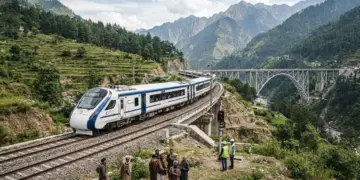
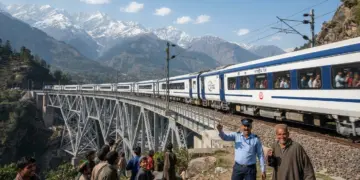

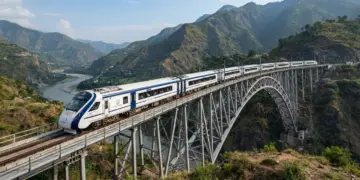
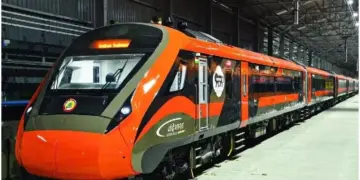


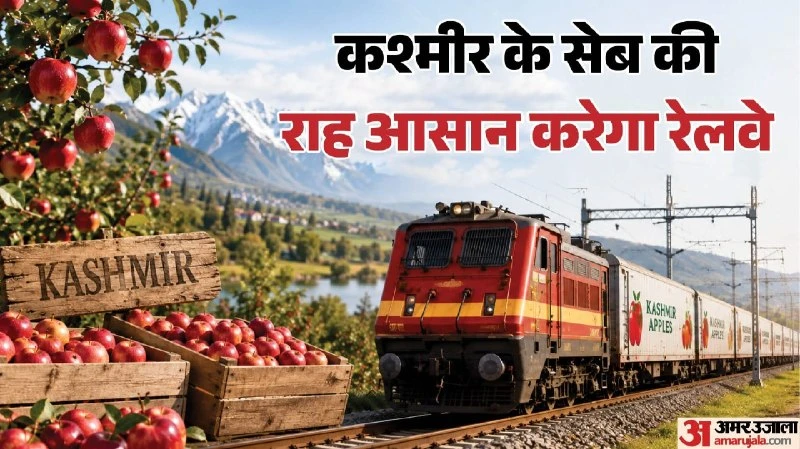

Indian Railways has finalized a comprehensive strategic plan to transport Kashmir apple harvest to major national markets while ensuring shipments remain completely unaffected by potential closures of the Jammu-Srinagar National Highway. High-level meetings were held in Srinagar on Friday, August 21, 2026, where railway officials, the Horticulture Department, and fruit industry stakeholders collaborated to establish a reliable freight network for the upcoming season. The discussions were chaired by the Director of Horticulture Planning and Marketing Ghulam Jeelani Zargar, alongside key railway representatives including Senior Divisional Commercial Manager Uchit Singhal and Chief Area Manager Kapil Sharma. Fruit industry interests were strongly represented by All Valley Fruit Growers and Traders Association President Bashir Ahmad Bashir alongside various Kisan and business aggregators.
Streamlining Logistics for the 2026 Apple Season
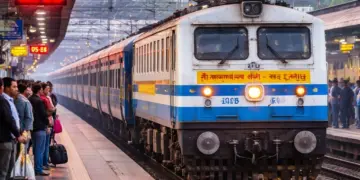
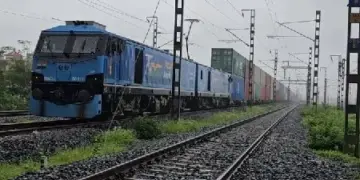
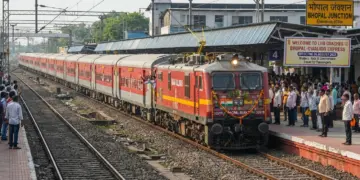
To facilitate this massive operation smoothly, the Directorate of Horticulture has been tasked with providing estimates for total expected rail-transported production within one week. This crucial data will allow Indian Railways to plan the advance allocation of parcel-van rakes and BCN wagons. Senior DCM Uchit Singhal emphasized the firm goal of surpassing the 2025 performance, during which 20,000 tonnes of apples were successfully moved via parcel vans, goods trains, and the JPP-RCS service. The current operational blueprint centers on moving produce directly from goods sheds in Anantnag and Pampore. Furthermore, a primary parcel train route has been established from Budgam to Adarsh Nagar in Delhi, with further expansions actively explored to connect Kashmir directly to major fruit markets in Mumbai, Bengaluru, Chennai, and Kolkata.
Benefits for Growers and Traders
Railway officials have strongly urged traders to submit online indents in advance to ensure priority wagon arrangement. This vital initiative aims to provide an economical and consistent logistics solution by significantly reducing freight costs per box. By bypassing road blockages, the rail service will effectively increase grower returns and prevent the heavy financial losses and spoilage traditionally associated with road-based transit delays along the highway.