







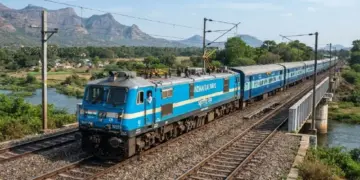

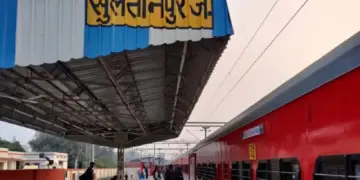
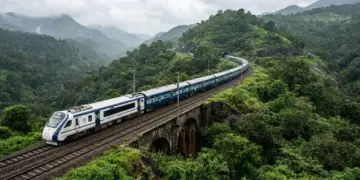


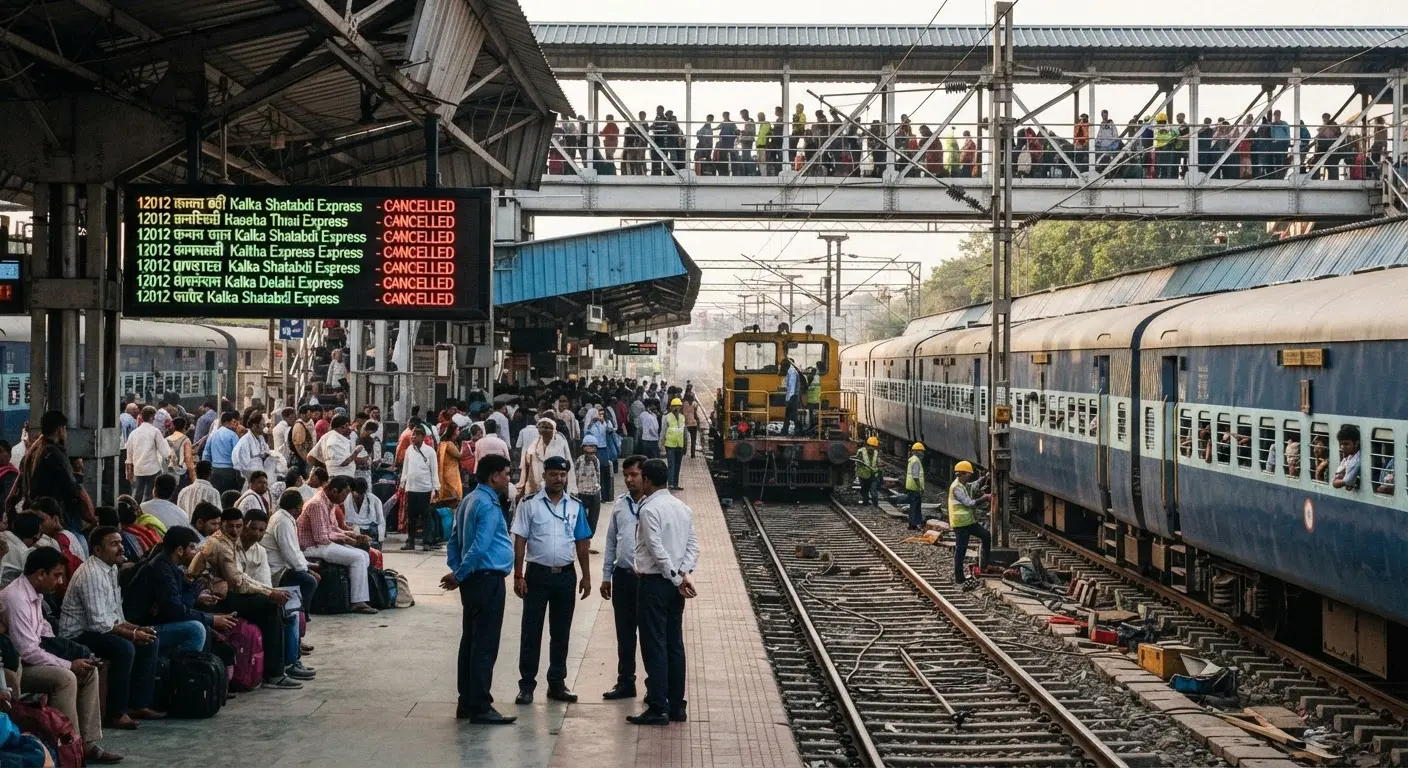

Railway operations in the national capital recently underwent a major overhaul as authorities implemented an 18-hour power-traffic block. This critical infrastructure maintenance work, carried out on October 5, was essential to ensure long-term passenger safety and improve the efficiency of the Delhi railway network. While such blocks are necessary for track and overhead equipment upgrades, they inevitably lead to schedule adjustments for commuters travelling through the region.
Key impacts of the maintenance operation included:
- Full cancellation of one scheduled train service.
- Diversion of three trains to alternate routes to bypass the affected section.
- Operational adjustments specifically affecting train numbers 20424 and 20958.
- Mandatory infrastructure upgrades to enhance safety standards across the network.
Understanding Railway Traffic Blocks
Indian Railways periodically schedules these blocks to perform heavy-duty maintenance that cannot be conducted during normal operational hours. By suspending traffic for an extended duration, engineering teams can safely work on signalling systems, track replacements, and electrical infrastructure. Although the specific year of this event was not disclosed, it serves as a reminder of the complex logistics involved in maintaining one of the world’s largest railway networks.
For passengers, these blocks often mean last-minute changes to travel itineraries. Indian Railways typically issues advance advisories through its official communication channels, including the IRCTC website and social media handles, to help commuters plan their journeys accordingly. Passengers are always encouraged to check the live status of their trains before heading to the station, especially when travelling through major hubs like Delhi where infrastructure work is frequent.
While the cancellation and diversion of services can cause temporary inconvenience, these measures are vital for the modernization of the rail network. As Indian Railways continues to push for faster and safer travel, such maintenance windows remain a cornerstone of its operational strategy to prevent technical failures and enhance the overall passenger experience.