

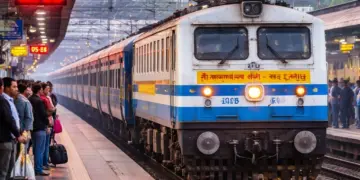



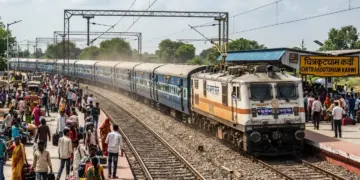




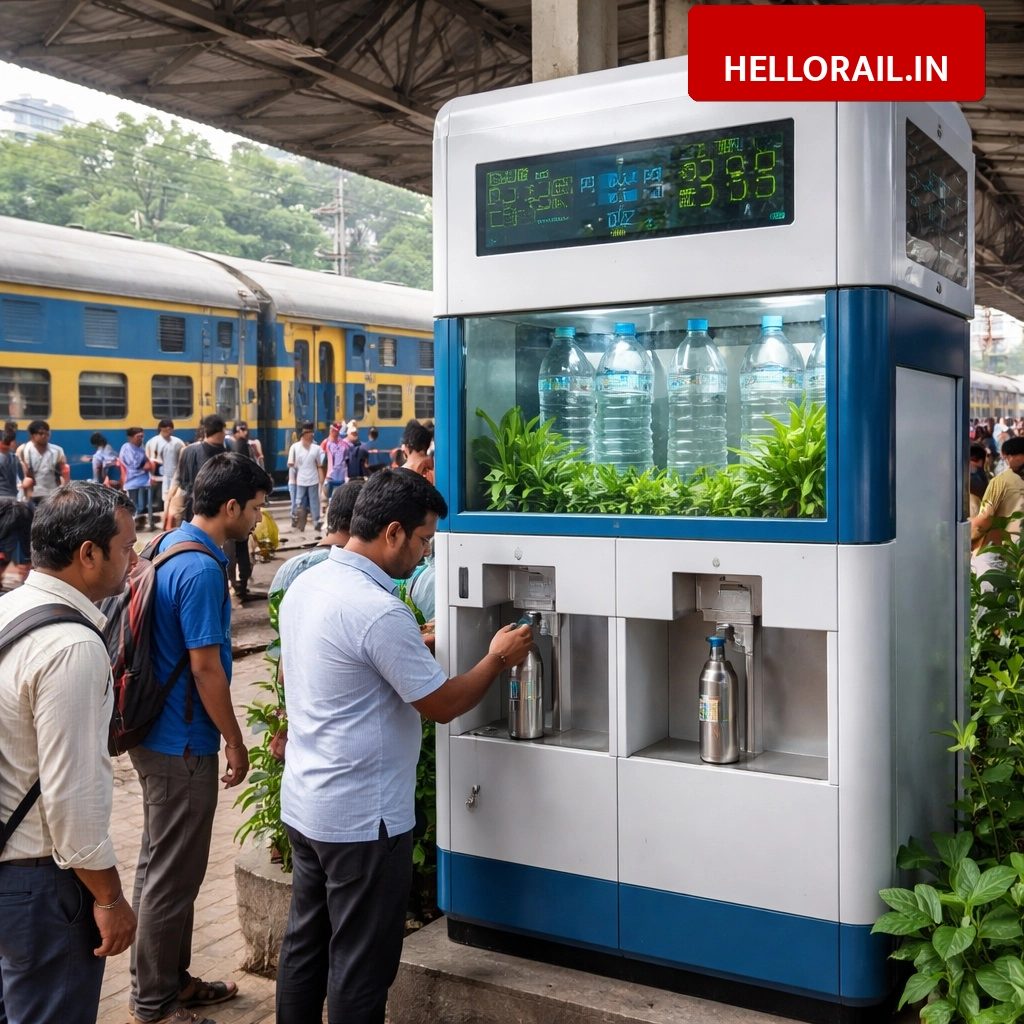

Indian Railways is introducing a high-tech solution to tackle water scarcity at railway stations. The Railway Board has issued directives to install Atmospheric Water Generator (AWG) plants across various locations. These plants will create pure drinking water directly from the moisture present in the air.
🚨: Railway safety boost: Indian Railways to use AI, drones and CCTV to stop stone pelting।
Where will these water plants be installed
The Railway Board, under the direction of Ajay Jha, Director of Environment and Housekeeping Management, has asked all zonal railways and production units to implement this technology. The AWG plants will be set up at the following locations:
- Railway Stations
- Railway Hospitals
- Railway Colonies
- Railway Offices
- Level Crossings and other service sites
How does the AWG technology work
The system works on the principle of condensation. It pulls in humid air from the environment, filters out dust and particles, and cools the air to turn moisture into water. This water then passes through UV and carbon filters and is mixed with essential minerals to meet WHO and Indian safety standards. The machines work best in temperatures between 18 to 45 degrees Celsius with humidity levels from 25 to 100 percent.
Water pricing and production capacity
Each unit can produce approximately 1,000 liters of water per day. These will eventually act as water ATMs for passengers. The proposed rates for water are as follows:
| Quantity | Refill Price | Bottled Price |
|---|---|---|
| 300 ml | 5 Rupees | 7 Rupees |
| 500 ml | 8 Rupees | 12 Rupees |
| 1 Liter | 12 Rupees | 15 Rupees |
Frequently Asked Questions (FAQs)
What is the cost of water from these AWG plants?
For refills, the price is 5 rupees for 300ml, 8 rupees for 500ml, and 12 rupees for 1 liter. Bottled water will cost 7, 12, and 15 rupees respectively.
Which stations will get this facility first?
Following successful tests in Secunderabad and Mumbai, the technology will now be implemented in North Central Railway at stations like Shankargarh, Chunar, and Chopan.