

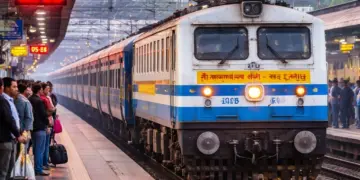


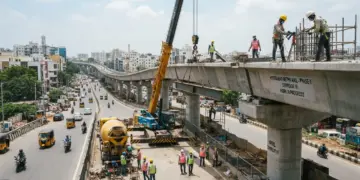
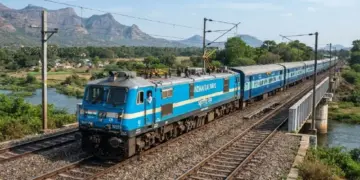



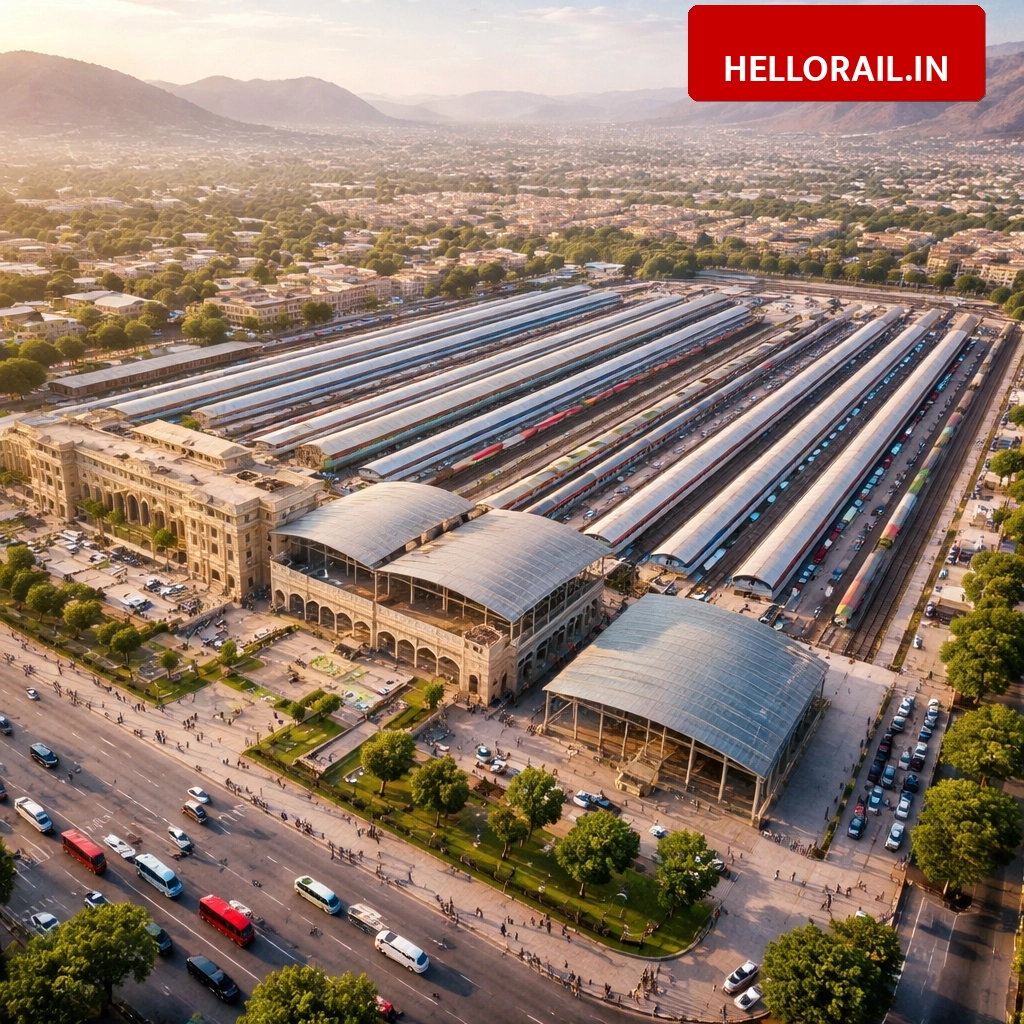

Indian Railways is planning to build a massive rail superhub at Bhatton Ki Gali station in Jaipur. The North Western Railway (NWR) has proposed this mega coaching terminal to reduce the heavy pressure on Jaipur Junction. The project will help in managing more trains and improving passenger facilities in the city.
📰: Merta Road Railway Station: Redevelopment project to bring Marwar cultural look to Nagaur district।
What are the key features of the new superhub
The project involves a significant investment to build a modern terminal. The new hub will focus on operational efficiency and high-tech passenger services.
| Feature | Details |
|---|---|
| Estimated Cost | ₹800 crore to ₹1000 crore |
| Platforms | 10 Proposed Platforms |
| Stabling Lines | 7 Lines |
| Inspection Lines | 4 Lines |
| Train Capacity | Preparation for 100+ trains |
What high-tech facilities will be available
The new terminal will be equipped with modern technology to ensure a smooth experience for passengers and staff. It will include automated cleaning systems and digital information systems for real-time updates.
- Smart station management and modern security arrangements
- Heavy washing lines and pit lines for coach maintenance
- Modern yard for better train movement
- Dedicated sick lines for major coach repairs
Why is this project necessary for Jaipur
Jaipur Junction currently handles around 180 trains daily, while its actual capacity is for 120 trains. This has led to extreme congestion. By shifting maintenance and coaching operations to Bhatton Ki Gali, the railway aims to increase passenger handling capacity by two to five times. The first phase of the project is expected to be completed within two to three years.
Frequently Asked Questions (FAQs)
Why is the Bhatton Ki Gali terminal being built?
Jaipur Junction is oversaturated, handling 180 trains daily against a capacity of 120. The new terminal will decongest the main station.
What is the timeline and cost of the project?
The estimated cost is between ₹800 crore to ₹1000 crore, and the first phase is expected to be developed within two to three years.