









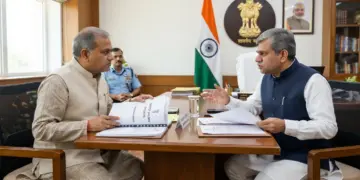



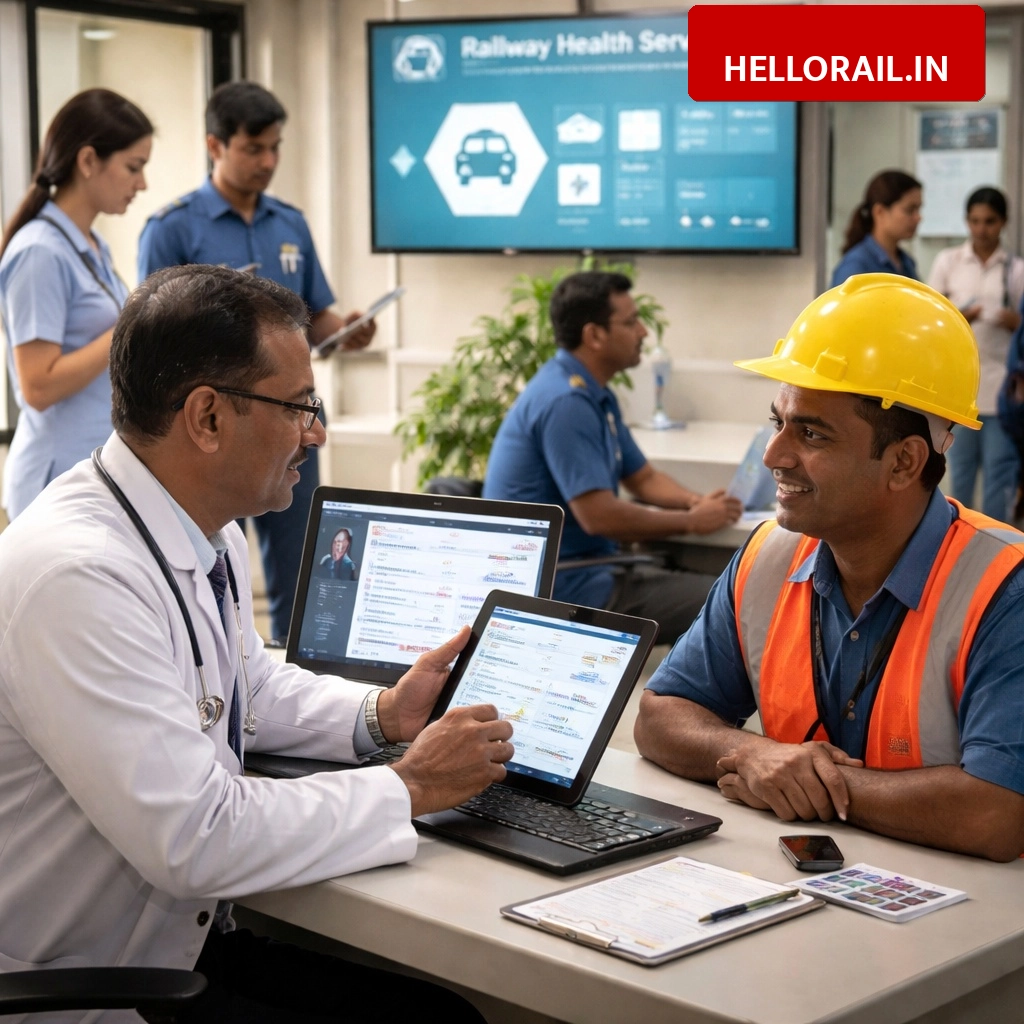

The Railway Board has transitioned its health services to a fully digital and paperless system starting May 1, 2026. This new arrangement aims to make medical treatment, medicine distribution, and referral processes faster and more transparent for railway employees and pensioners. The system is based on the concept of One Railway One Card to modernize healthcare across the network.
What are the key requirements and benefits of the new system?
Patients now need to carry their Unique Medical Identity (UMID) card and a registered mobile number to access services. All medical data is stored digitally on the Hospital Management Information System (HMIS) portal, and a dedicated mobile app is also available for users. This shift benefits approximately 12.5 lakh employees, 15 lakh pensioners, and 10 lakh dependents across 128 main hospitals and 582 health units.
How will the digital referral and medicine process work?
The referral system to private listed hospitals is now OTP-based and digital, removing the need for physical paperwork. In emergency cases, patients can start treatment at listed private hospitals without a prior referral, provided the hospital informs the HMIS portal within 24 hours. For medicines, doctors prescribe via the HMIS system, allowing patients to collect their medication from the pharmacy using their UMID number.
What special facilities are available for senior citizens?
Beneficiaries above 70 years of age can now avail cashless OPD and diagnostic facilities at listed private hospitals, provided they do not receive a Fixed Medical Allowance (FMA). For these senior citizens, the UMID card is sufficient, and a separate RELHS card is no longer required. Additionally, a special digital agreement with the Tata Memorial Center (TMC) ensures streamlined treatment for critical illnesses like cancer and transplants.
Frequently Asked Questions (FAQs)
What documents are needed for treatment in railway hospitals now?
Patients must carry their Unique Medical Identity (UMID) card and a registered mobile number to access digital health services.
How does the emergency treatment process work in private hospitals?
Patients can enter listed private hospitals without a referral in emergencies. The hospital must notify the HMIS portal within 24 hours, and railway doctors will decide on the case within 48-72 hours.
{“@context”: “https://schema.org”, “@type”: “FAQPage”, “mainEntity”: [{“@type”: “Question”, “name”: “What documents are needed for treatment in railway hospitals now?”, “acceptedAnswer”: {“@type”: “Answer”, “text”: “Patients must carry their Unique Medical Identity (UMID) card and a registered mobile number to access digital health services.”}}, {“@type”: “Question”, “name”: “How does the emergency treatment process work in private hospitals?”, “acceptedAnswer”: {“@type”: “Answer”, “text”: “Patients can enter listed private hospitals without a referral in emergencies. The hospital must notify the HMIS portal within 24 hours, and railway doctors will decide on the case within 48-72 hours.”}}]}