

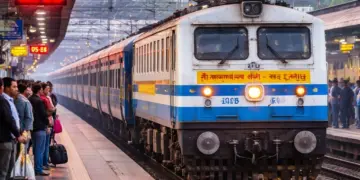

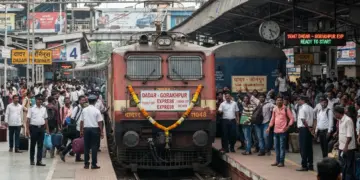



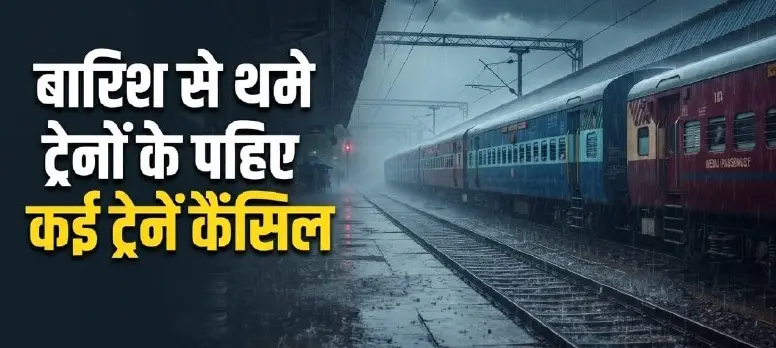

Western Railway is facing significant operational disruptions as heavy rainfall and severe waterlogging have forced the cancellation, diversion, and short-termination of numerous train services across its network. The impact is most severe on the crucial Mumbai-Ahmedabad corridor, where safety protocols have mandated the suspension of traffic until July 26, 2026. Passengers are urged to stay updated on their travel plans as the railway administration prioritizes safety during these extreme weather conditions.
Key updates for passengers:
• Over 100 train services were cancelled on the Mumbai-Ahmedabad route on July 24.
• Significant disruptions include 52 cancellations, 18 diversions, and 38 short-terminations recorded on July 23.
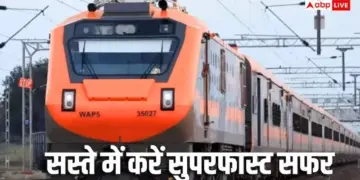
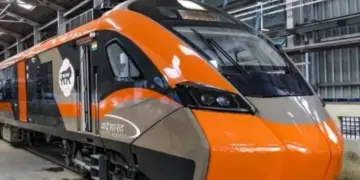
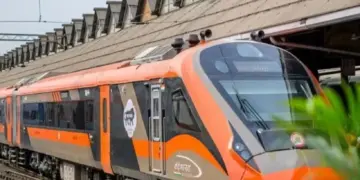
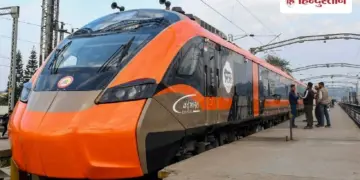
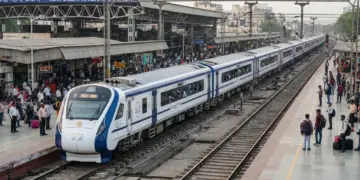
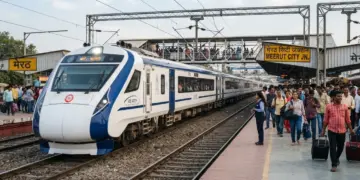
• Premium services, including the Vande Bharat Express and Shatabdi Express, are among the affected trains.
• Automatic refunds are being processed for e-tickets, while counter ticket holders can claim refunds at PRS counters within three days.
Reasons for the Service Suspension
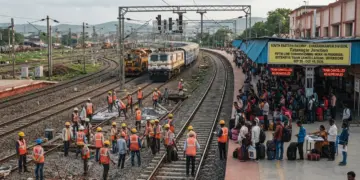
The widespread disruptions are primarily caused by critical water levels rising near major railway bridges and extensive waterlogging on tracks. Engineering teams have identified dangerous conditions in several sections, particularly between Vapi-Udvada, Umargam-Gholvad, and Udvada-Pardi. Specifically, water levels have reached dangerous marks at Bridge No. 203 (between Umargam Road and Gholvad) and Bridge No. 284 (between Udvada and Vapi), leading to bank slips and forcing the suspension of rail traffic to ensure passenger safety.
Travel Advisory and Passenger Support
Western Railway officials have advised all commuters to verify their train status via the National Train Enquiry System (NTES) app or the official Indian Railways enquiry portal before heading to the station. To mitigate the inconvenience, state bus services have increased their frequency to major hubs like Vapi and Surat. Additionally, the railway is operating supplemental suburban services between Virar and Dahanu to help stranded passengers. Normal operations will only resume once floodwaters recede and the tracks are cleared and certified as safe by the railway engineering department.