

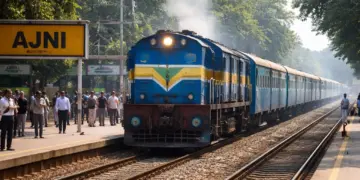







The Union Government has officially approved the revival of the Kadian-Beas rail line project in Punjab. Union Minister of State for Railways Ravneet Singh Bittu announced the decision on June 18, 2026. This project was first planned in 1928-29 but remained incomplete for nearly a century. Now, with a budget of ₹1,400 crore, the project will finally provide rail connectivity to the Majha region.
What are the key details of the Kadian-Beas rail project?
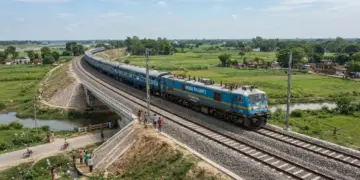
The project involves the construction of a 39.68 km broad-gauge line connecting Qadian in Gurdaspur district to Beas in Amritsar district. The line will pass through several towns including Dhapai, Ghuman, Butala, and Sathiala. Northern Railway will execute the work, and the central government will fund the entire project, meaning the Punjab government will not have to pay for it.
What infrastructure and safety features will be included?
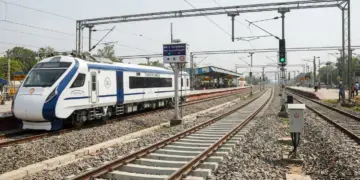
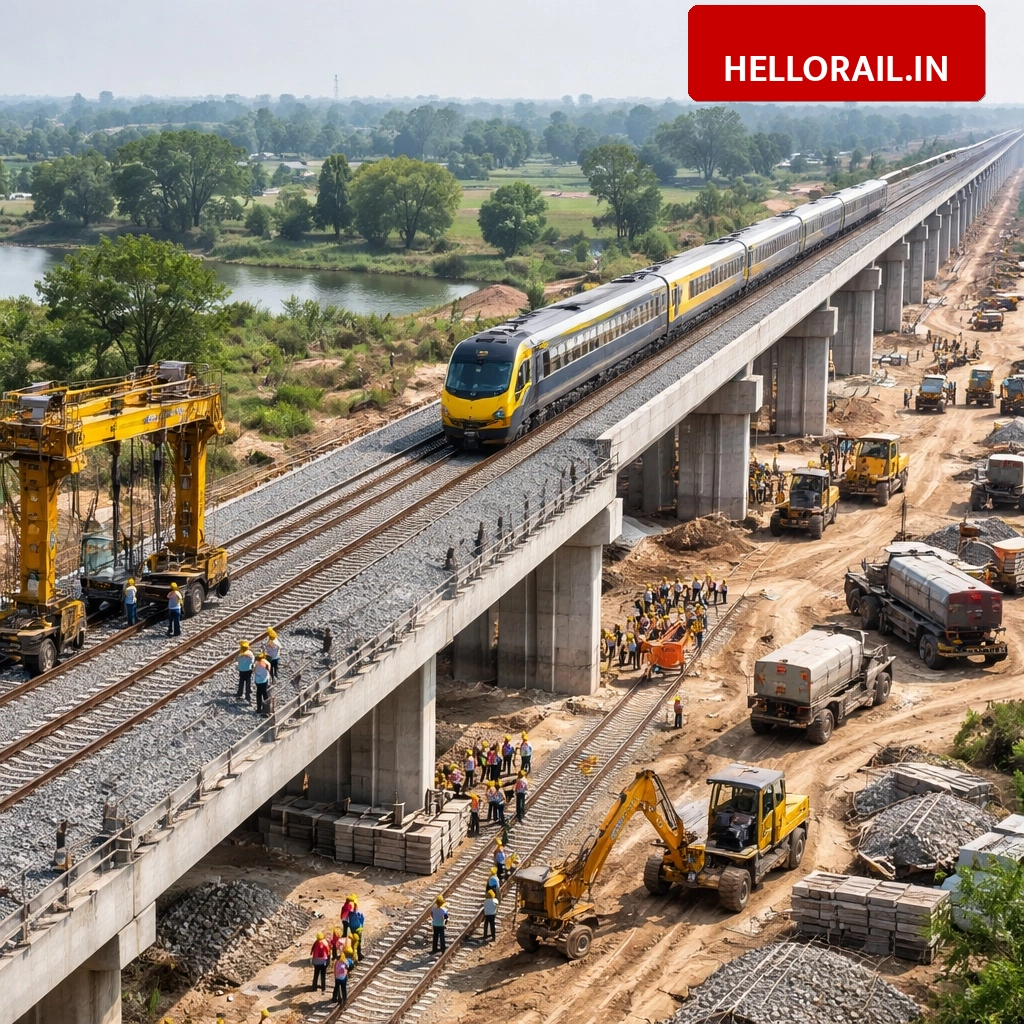
The new rail line will be built with modern technology to ensure safety and efficiency. It will include the Kavach system, which is India’s own train collision avoidance technology. The project involves several major constructions as detailed below:
| Infrastructure Item | Quantity |
|---|---|
| Major Bridges | 11 |
| Minor Bridges | 121 |
| Road Under Bridges (RUBs) | 54 |
| Crossing Stations | 2 (Ghuman and Butala) |
How will this project benefit the local public?
This line will act as a strategic alternative to the Amritsar-Pathankot section during emergencies. It will also boost religious tourism by providing easier access to the Ahmadiyya Muslim community headquarters in Qadian, Dera Baba Jaimal Singh in Beas, and Baba Namdev Dera in Ghuman. Local residents will see improved economic growth and better connectivity between districts.
Frequently Asked Questions (FAQs)
Which towns will be connected by the Kadian-Beas rail line?
The line will connect Qadian in Gurdaspur and Beas in Amritsar, passing through Dhapai, Ghuman, Butala, and Sathiala.
Who is funding the Kadian-Beas rail project?
The project is funded by the Union Government of India through Indian Railways, and the Punjab government will bear no financial burden.