









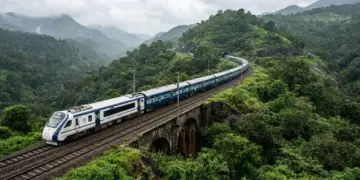

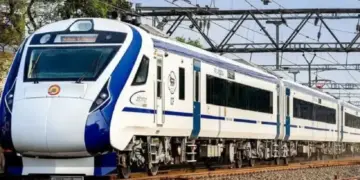
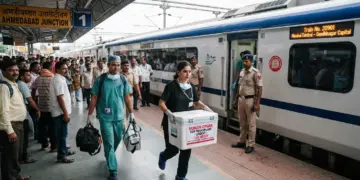


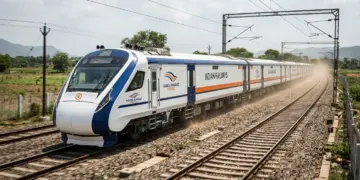


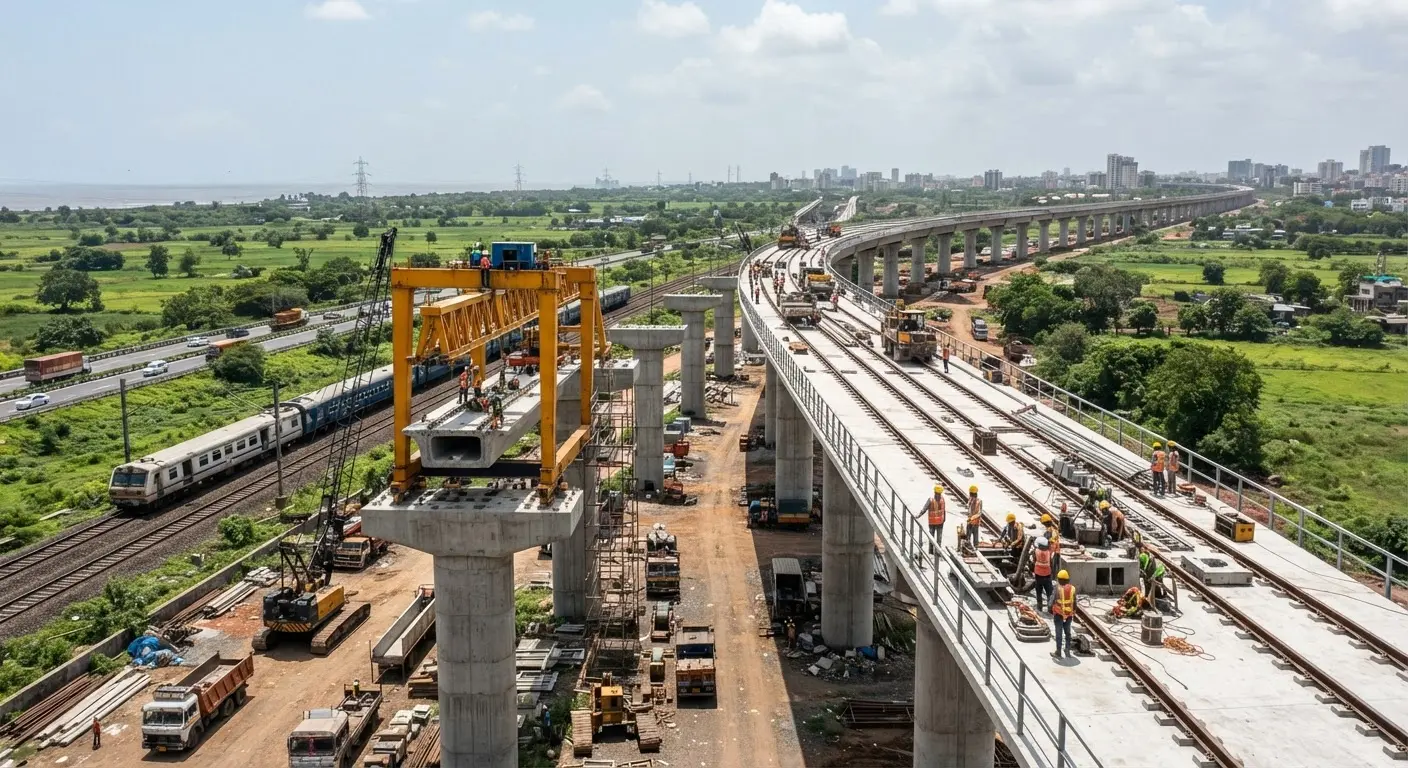

The Mumbai-Ahmedabad High-Speed Rail (MAHSR) project, India’s ambitious first bullet train corridor, is gaining significant momentum as construction activities ramp up across Maharashtra and Gujarat. Designed to bridge the two major business hubs, the project aims to revolutionize inter-city travel with world-class technology and safety standards.
- The 508.17 km corridor will operate at a speed of 320 kmph, reducing travel time to just 1 hour 58 minutes.
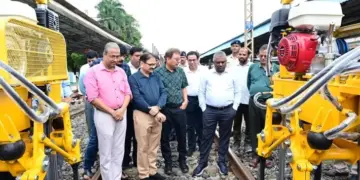
- NHSRCL signed a key contract on August 8, 2026, for specialized rolling stock maintenance machinery.
- The project has achieved 100% land acquisition, totaling 1390 hectares.
- The first section between Surat and Bilimora is targeted for completion by August 15, 2027.
Civil Progress and Infrastructure Development
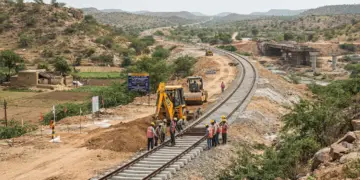
Construction is progressing rapidly on civil package C3 in Maharashtra, which covers approximately 135.45 km. Teams are currently focused on the challenging Vaitarna River Bridge, the excavation and lining of mountain tunnels, and foundational work for the Thane, Virar, and Boisar stations. Further north, the project reached a major milestone on August 4, 2026, with the completion of slab casting at the Vadodara Bullet Train Station, where structural steel erection is now in full swing.
Funding and Technology
Estimated at INR 1.1 lakh crore, the project is primarily funded through an Official Development Assistance loan from the Japan International Cooperation Agency (JICA). The corridor will implement Japanese Shinkansen technology, which includes a sophisticated Early Earthquake Detection and Alarm System (UrEDAS) to ensure passenger safety. The implementation is being led by the National High Speed Rail Corporation Limited (NHSRCL), a subsidiary of Indian Railways, with the state governments of Gujarat and Maharashtra acting as equity partners.
As reaffirmed by Railway Minister Ashwini Vaishnaw in July 2026, the government remains committed to the timeline of making the entire 508.17 km line operational by 2029. Once completed, the corridor will feature 12 stations, providing a seamless and rapid transit experience that promises to transform the economic landscape of Western India.