


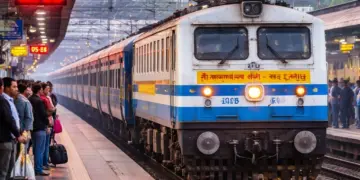




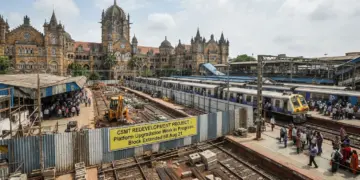
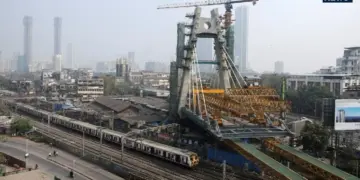
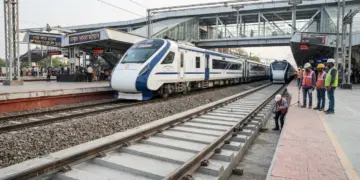






The Ministry of Railways is set to transform 15 major railway stations across India under the Public-Private Partnership (PPP) model to enhance passenger amenities and modernize infrastructure. Railway Minister Ashwini Vaishnaw confirmed the development in the Rajya Sabha on August 7, 2026, noting that the initiative draws inspiration from the successful redevelopment of the Rani Kamalapati Railway Station in Madhya Pradesh.
- 15 key stations are earmarked for modernization under the new PPP framework.
- The list includes major hubs like Delhi Junction, Hazrat Nizamuddin, Anand Vihar, Vijayawada, Chennai Central, Bengaluru (KSR), Bhopal, and Pune.
- The Vijayawada Railway Station redevelopment project is estimated at ₹946.60 crore.
- The Ministry is exploring more investor-friendly terms, including 99-year lease options and the inclusion of residential spaces.
Current Status of Station Redevelopment
While the ministry is moving forward with these plans, the progress varies across different locations. The redevelopment proposal for Vijayawada Railway Station has already received approval from the PPP Appraisal Committee. However, the initial tender failed to attract bidders, prompting the authorities to re-invite bids. The remaining 14 stations are currently undergoing master planning and financial modeling, meaning that private partners have not yet been finalized and physical construction work is yet to commence.
Strategic Infrastructure Upgrades and Train Diversions
Alongside the new PPP initiatives, significant work is already underway at the New Delhi Railway Station (NDLS), which is being managed by the Rail Land Development Authority (RLDA). To facilitate this large-scale construction and manage passenger congestion, the Railways plans to shift approximately 30 trains—including several Shatabdi Express services—to alternative terminals such as Anand Vihar, Hazrat Nizamuddin, and Delhi Junction in the coming months.
The Ministry is focused on making these projects more attractive for private investors. By potentially offering longer lease terms and allowing the integration of residential premises into the station development footprint, the government aims to ensure the long-term sustainability and financial viability of these major infrastructure upgrades. These efforts represent a significant step toward providing world-class travel experiences for passengers across the Indian railway network.