


















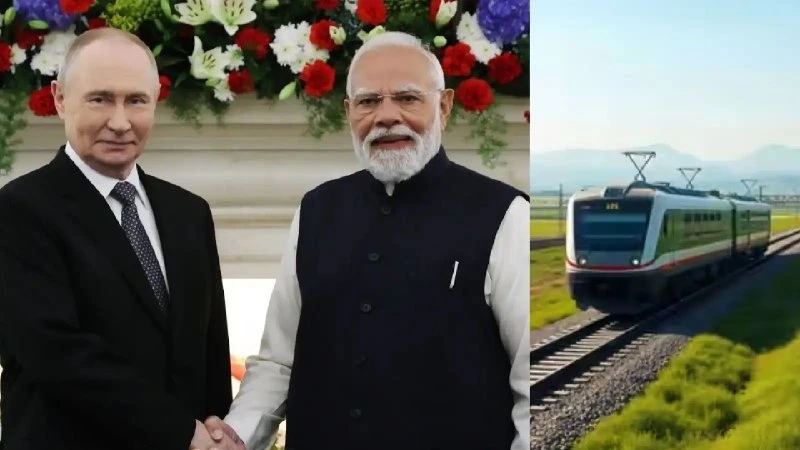

In a significant development for international connectivity, Russia is exploring the feasibility of a direct rail link connecting its territory to the Indian Ocean. Proposed by Russian Deputy Prime Minister Marat Khusnullin on August 9, 2026, the initiative seeks to create a reliable overland trade corridor that avoids volatile maritime chokepoints. This project is currently in the conceptual stage, with the primary objective of securing a stable supply chain for Russia-India commerce amidst ongoing global geopolitical shifts.
- Strategic Objective: Russia aims to bypass critical maritime passages like the Bosphorus and the Strait of Hormuz to ensure uninterrupted trade.
- Transit Nations: The proposed corridor would likely traverse through Turkmenistan, Iran, Afghanistan, and Pakistan to reach India.
- Trade Security: These strategic chokepoints currently handle approximately 25% of global oil trade and 20% of LNG shipments.
- Implementation: The project is in its early feasibility phase and would require massive international investment and multi-nation coordination.
Reducing Dependence on Maritime Chokepoints
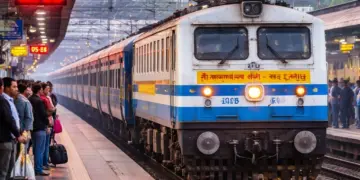
Recent escalations in West Asia and recurring disruptions to major shipping routes have forced nations to rethink their logistics strategy. By developing an overland rail network, Russia hopes to insulate its trade with India from the vulnerabilities of sea-based transport. For the Indian Railways network and the broader logistics sector, this could eventually open a new gateway for cross-border cargo movement, strengthening economic ties across Central and South Asia.
Challenges and Future Outlook
While the prospect of a direct rail link is ambitious, the project faces significant hurdles. Establishing such a vast corridor requires extensive diplomatic coordination and massive capital investment across several countries with varying infrastructure standards. If successfully realized, this rail artery would serve as a robust alternative to traditional maritime routes, potentially revolutionizing how goods are transported between Russia and India. For now, the global trade community remains focused on the feasibility studies as Russia evaluates the most viable transit paths to reach the Indian coastline.