

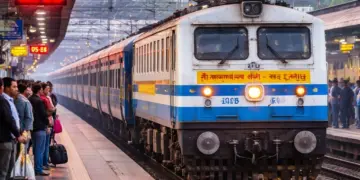

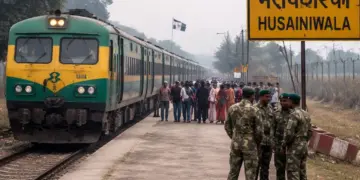
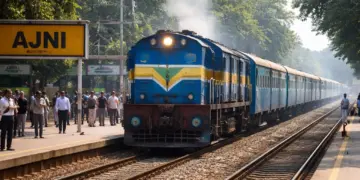


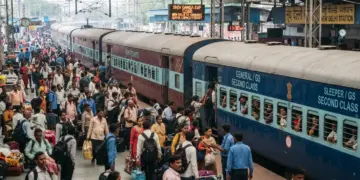
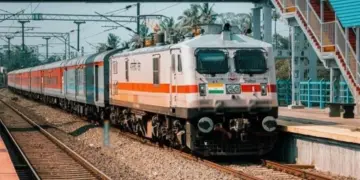
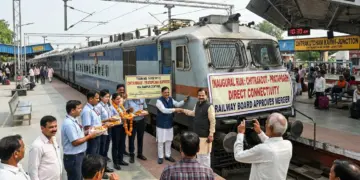



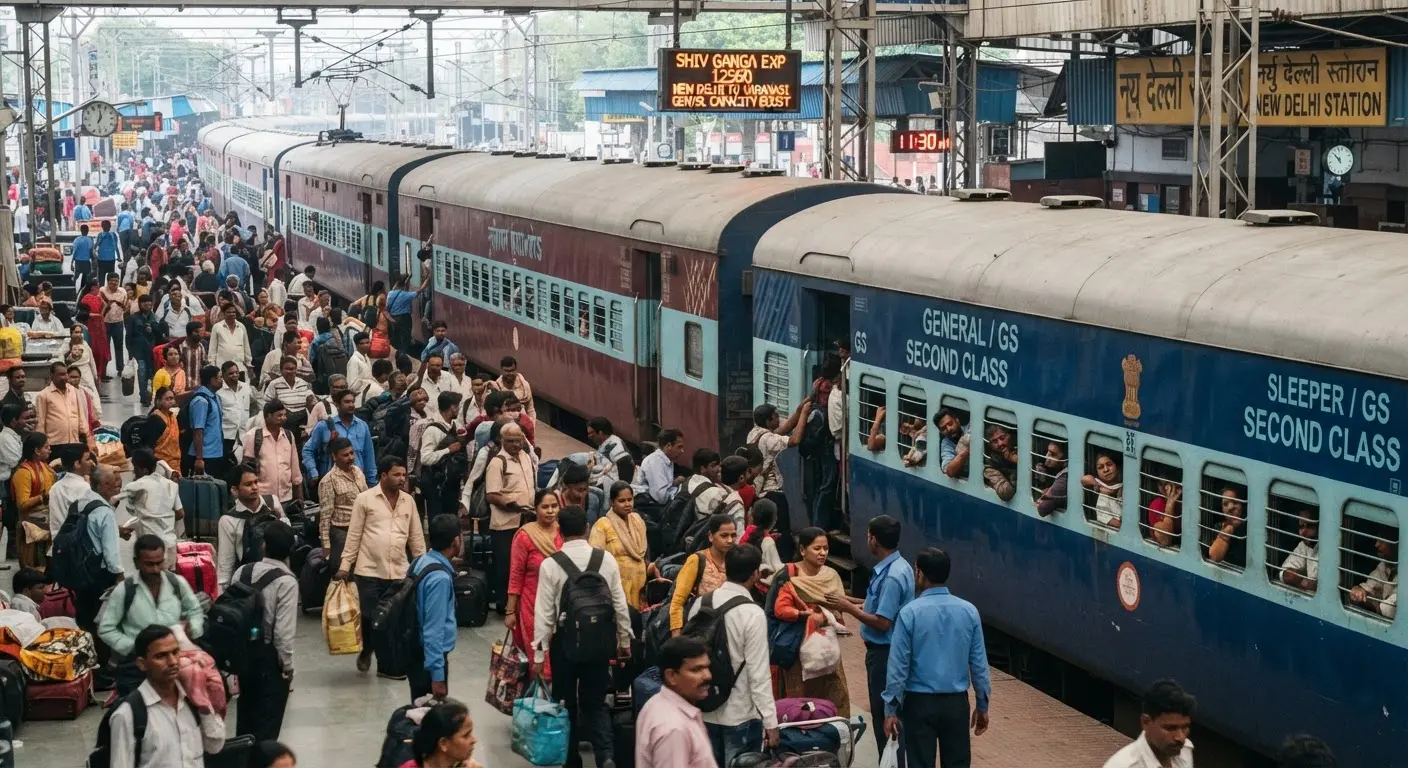

In a major move to enhance passenger capacity and reduce overcrowding, Indian Railways has announced a significant expansion of general and sleeper class accommodation across its network. Starting August 9, 2026, the national transporter will upgrade 3,200 long-distance mail and express trains to 24-coach LHB (Linke Hofmann Busch) rakes. This initiative is designed to provide relief to millions of daily commuters, laborers, and working professionals who rely on these affordable travel classes.
Key highlights of the expansion plan include:
- Upgrade of 3,200 mail and express trains to 24-coach LHB configurations.
- Mandatory minimum of four general coaches per train, up from the current two.
- Inclusion of six to eight sleeper coaches in every upgraded train.
- Creation of 320 to 360 million additional seats annually for passengers.
- Strategic focus on routes connecting major hubs like Delhi, Mumbai, Surat, Ahmedabad, Pune, and Chennai.
Addressing Passenger Demand
This policy shift is a direct response to the persistent demand for more non-AC travel options, especially during peak festive seasons and holidays. By standardizing these trains to 24 coaches, the Railways aims to streamline operations while ensuring that the common passenger finds it easier to secure a berth or seat. This development is part of a broader commitment made by Railway Minister Ashwini Vaishnaw, who previously announced a target of inducting 17,000 new non-AC general and sleeper coaches over the next five years.
Building on Recent Progress
This latest announcement builds upon the momentum established during the 2024-25 financial year, during which 1,250 general coaches were already integrated into various long-distance services. By prioritizing routes that serve major urban centers and industrial cities, the Railways is actively working to bridge the gap between rising travel demand and available infrastructure. As the project rolls out, passengers can expect more comfortable and accessible travel options, reflecting the government’s focus on inclusive connectivity for all sections of society.