







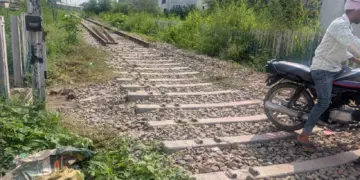

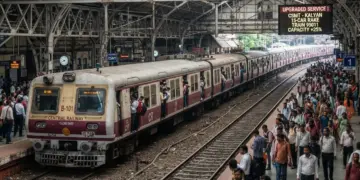
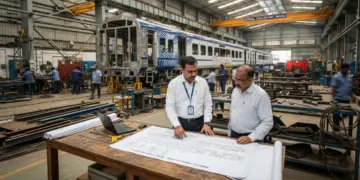






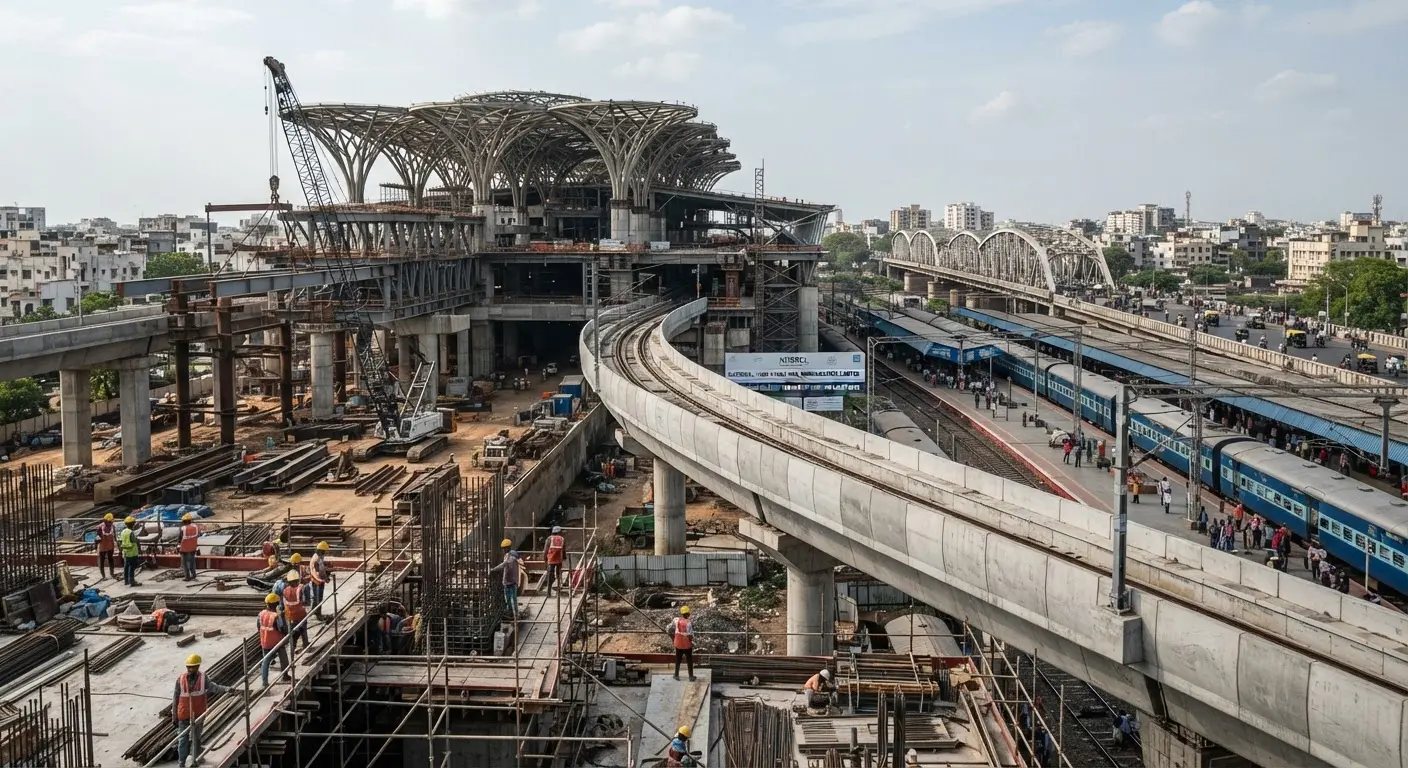

The National High-Speed Rail Corporation Limited (NHSRCL) has reached a significant turning point in the development of the Mumbai-Ahmedabad High-Speed Rail corridor. Construction work at the Vadodara station, strategically located near the existing Indian Railways station by the Pandya Bridge, is progressing rapidly. The project is designed not only to facilitate high-speed travel but also to serve as a landmark piece of architecture inspired by the city’s famous Banyan tree.
Key updates on the Vadodara station project include:
- Slab casting has been successfully completed across the concourse, track, and platform levels.
- The project is currently in the stage of structural steel erection.
- The station is being built adjacent to the existing railway station to ensure seamless passenger connectivity.
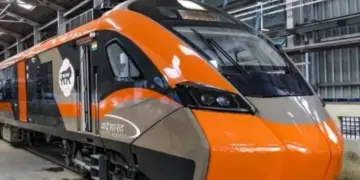
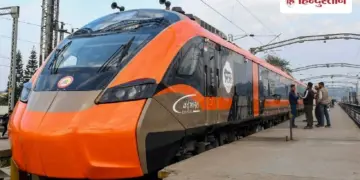
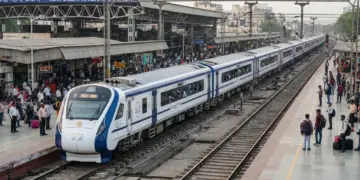
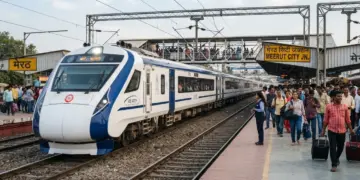
- The high-speed trains will operate at a maximum speed of 320 km/h using Japanese Shinkansen technology.
Project Progress and Timeline
As of late 2026, the ambitious 508-km corridor—which connects Gujarat, Maharashtra, and the Union Territory of Dadra & Nagar Haveli—has achieved approximately 55% physical completion. This massive infrastructure undertaking involves a total investment exceeding ₹83,000 crore, reflecting the scale of India’s transition into the era of high-speed rail.
While the entire network is slated to be fully functional by 2029, commuters can look forward to an earlier milestone. The first phase of the corridor, spanning between Surat and Bilimora, is currently targeted for an opening in August 2027.
Once completed, the Mumbai-Ahmedabad High-Speed Rail project will significantly reduce travel time between the two major financial hubs, offering a world-class passenger experience. The NHSRCL continues to work toward these deadlines, ensuring that the integration of the new high-speed infrastructure with existing railway hubs remains a top priority for the convenience of Indian travelers.