







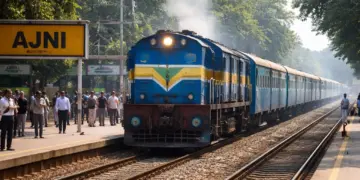


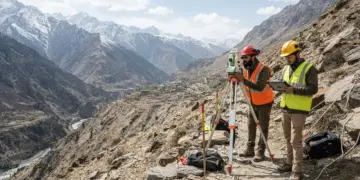



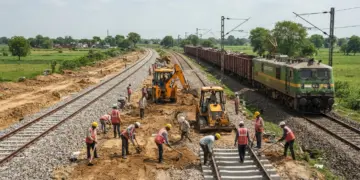

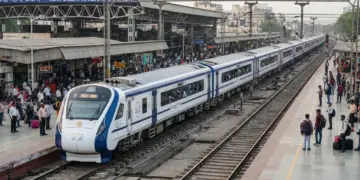

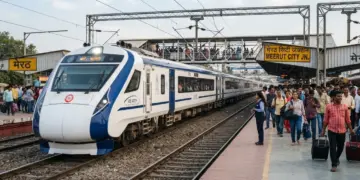
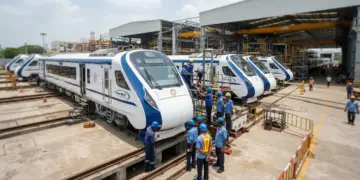




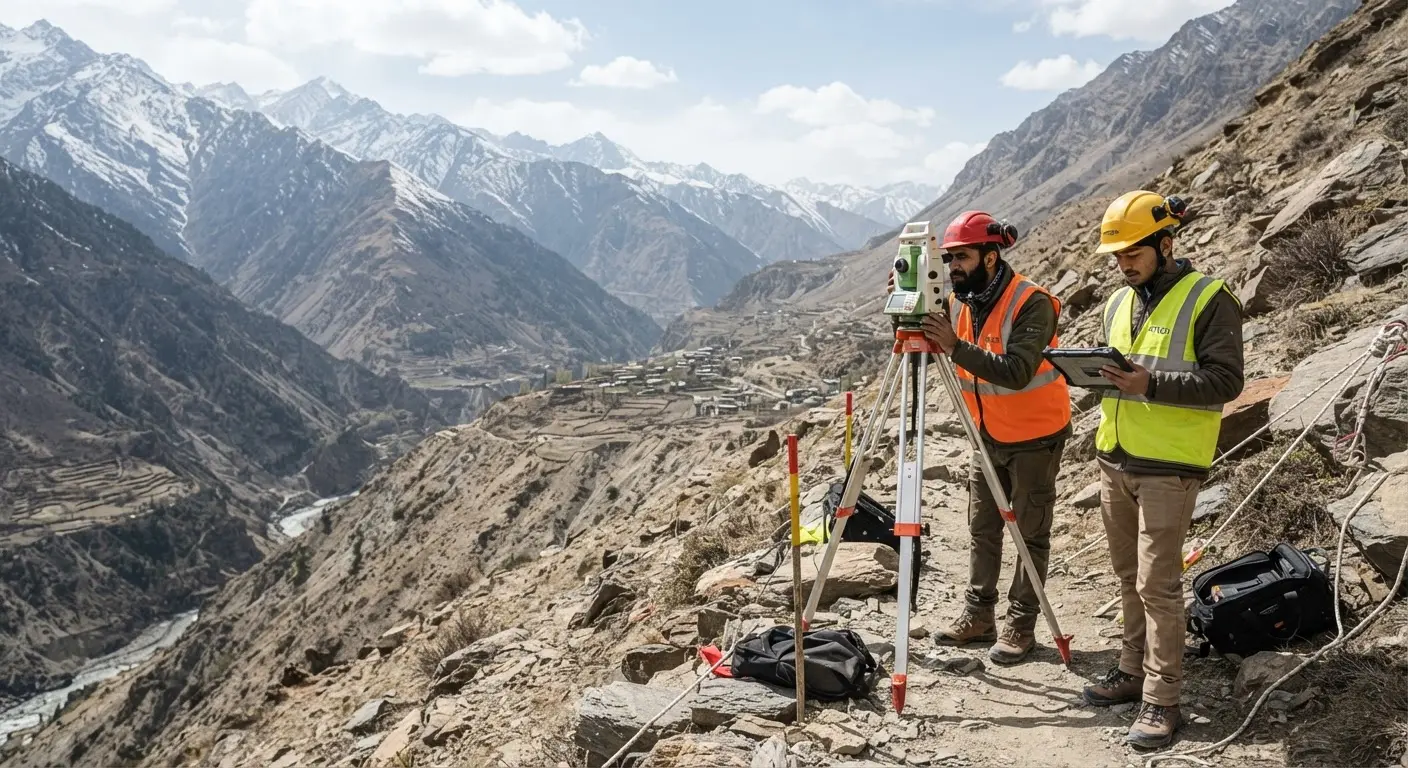

The ambitious Bilaspur-Manali-Leh broad gauge project has hit a significant milestone as the Final Location Survey (FLS) officially commences on the Salapar to Sarchu section. This massive infrastructure venture aims to provide an all-weather connectivity solution between Himachal Pradesh and Ladakh, transforming travel logistics in the high-altitude region.
Key highlights of the project include:
- A massive 475-kilometer broad gauge rail route connecting Bilaspur to Leh.
- Construction of 60 to 62 tunnels, which will account for 55% of the total track length.
- Engineering of 116 large bridges across challenging mountainous terrain.
- A projected cost of ₹1.31 lakh crore for the entire project.
- The addition of 42 new railway stations, including one near Taglang La, potentially the world’s highest.
- Reduction in Delhi to Leh travel time from 40 hours to just 20 hours.
Advancing the Strategic Vision
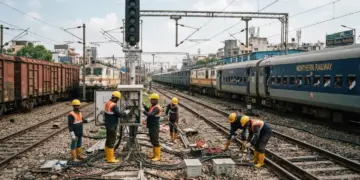
Currently, a private firm is tasked with completing the FLS for the Salapar-Sarchu stretch within a tight 40-day window. This survey is crucial as it involves detailed geological assessments of tunnel sites and precise track alignments. Given the project’s immense strategic importance for national security, the Detailed Project Report (DPR) has already been submitted to the Ministry of Defense for review. Officials have noted that the project is being monitored at the highest levels, potentially including the Prime Minister’s Office (PMO).
Connectivity and Future Timeline
The project is designed to be an all-weather lifeline, overcoming the geographical barriers that currently isolate the region during winter months. While the main line is in the survey phase, work on the Bhanupali-Bilaspur section, which will serve as a vital feeder to the main line, is moving at a rapid pace. Current projections suggest that this connecting section is expected to be completed by 2027. Once fully operational, this rail line will not only boost regional tourism and economic growth in Ladakh but will also provide a swift and reliable transport corridor for defense requirements.