


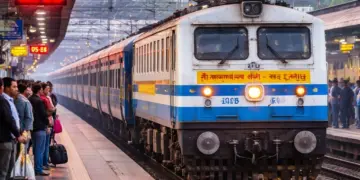


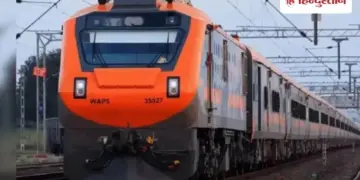




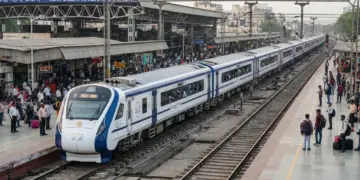

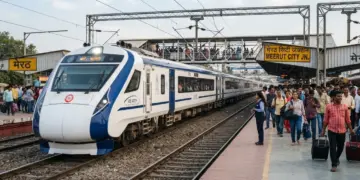
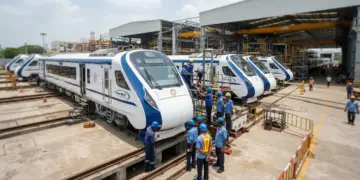
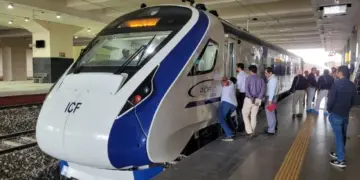
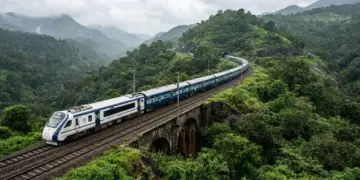

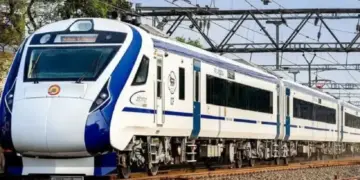


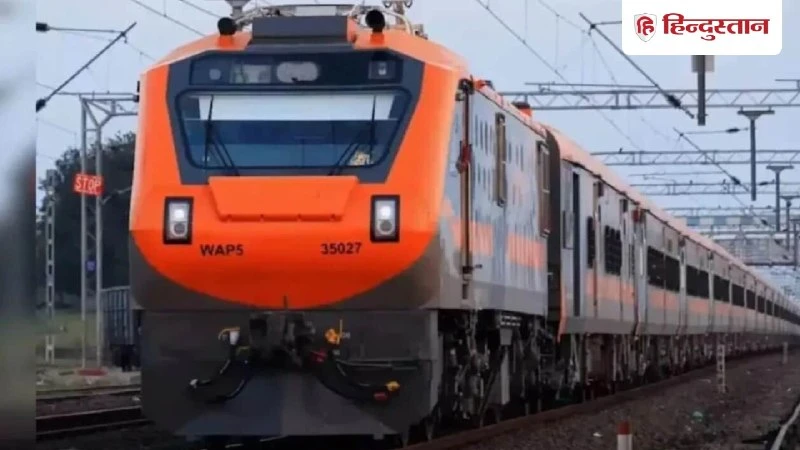

Indian Railways has officially greenlit a new direct Amrit Bharat Express service connecting Gorakhpur and Hyderabad, marking a significant boost in connectivity for passengers traveling between Uttar Pradesh and Telangana. The Railway Board issued the formal approval on August 12, 2026, and the North Eastern Railway (NER) has already begun the necessary operational preparations to launch the service.
Key details of the new train service:
- Train Numbers: 22075 (Cherlapalli to Gorakhpur) and 22076 (Gorakhpur to Cherlapalli).
- Frequency: Initial service will run once a week.
- Schedule: Train 22075 departs Cherlapalli every Friday, while train 22076 departs Gorakhpur every Monday.
- Passenger Capacity: Expected to serve approximately 1,500 passengers per trip.
Route and Operational Details
This new service is set to provide a vital link for long-distance travelers. The train will pass through several key railway zones, including the South Central, Central, West Central, North Central, Northern, and North Eastern Railways. Strategic halts have been planned to ensure maximum reach, with stops including Kazipet, Nagpur, Itarsi, Bhopal, Jhansi, Kanpur Central, Gonda, Barabanki, Gomtinagar, Lucknow City, Aishbagh, Orai, Bina, Betul, Chandrapur, and Ballarshah. To ensure smooth operations, the railway authorities have confirmed that water filling facilities will be available at major stations along the route.
Strategic Significance for the Network
This addition strengthens the Amrit Bharat Express network, which already includes routes from Gorakhpur to Delhi and Bandra. An interesting aspect of this deployment is the rake management; the rake used for this service will also function as a lay-over rake for the existing Cherlapalli-Thiruvananthapuram North Amrit Bharat Express (17042/17041). By regularizing this route, the Railway Board aims to address the rising demand for travel between these two major cities. While the service is currently scheduled as a weekly train, officials have indicated that the frequency could be increased in the future based on passenger demand and occupancy trends. This development marks another step in the expansion of high-quality, affordable rail travel across the country.