


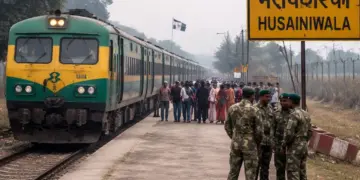
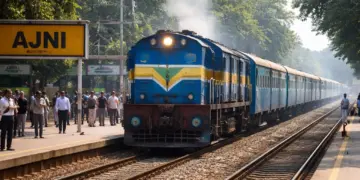
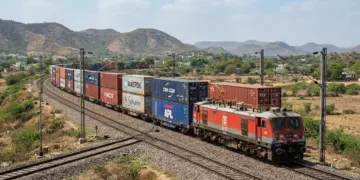





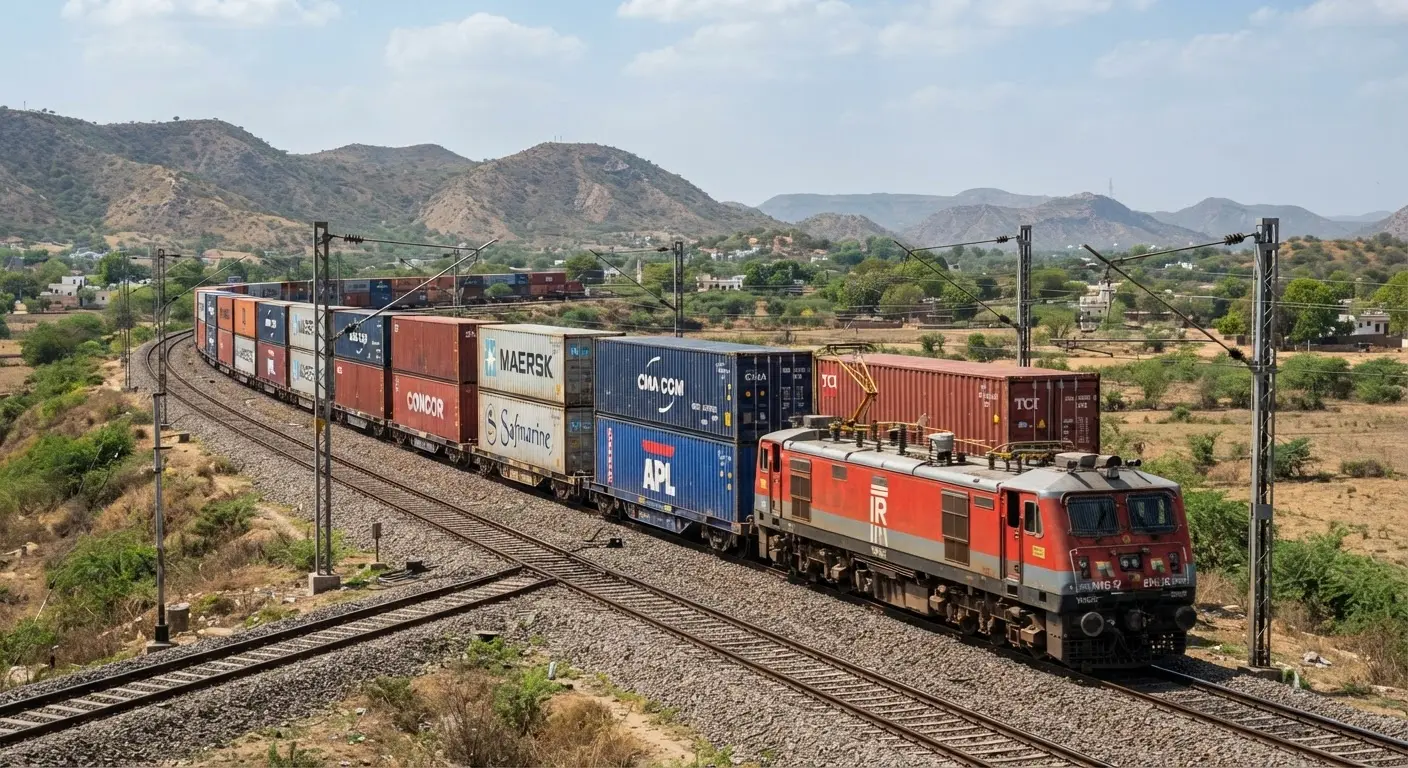

Indian Railways is revolutionizing the nation’s domestic freight logistics by significantly expanding its double-stack container train network. This engineering marvel allows two levels of containers to be transported on a single rake, drastically increasing cargo capacity and efficiency compared to traditional single-stack operations. With the 1,506-km Western Dedicated Freight Corridor (WDFC) now fully operational, these high-capacity trains are seamlessly connecting major industrial hubs, including the Jawaharlal Nehru Port, to inland terminals in Dadri, Khatuwas, and Varnama.
- India is the first country to commercially operate electric double-stack container trains at scale.
- The system utilizes a specialized high-rise overhead equipment setup with wires at 7.45 meters.
- Average freight speeds have surged from 26 kmph to 70 kmph.
- A new single “All India Permit” for operators is now available for a fee of ₹25 crore.
A Milestone in Engineering and Sustainability
By implementing a high-rise overhead equipment system, Indian Railways has successfully overcome the clearance challenges associated with double-stacking containers under electric wires. This innovation is not just about moving more goods; it is a major step toward greener logistics. By shifting to full electrification, the railway network is significantly reducing its carbon footprint while simultaneously enhancing operational throughput.
The transition has resulted in a massive improvement in transit times, with average speeds increasing from a modest 26 kmph to an impressive 70 kmph. This efficiency gain is critical for businesses relying on the WDFC to move time-sensitive goods across the country, making rail transport a far more competitive option against road freight.
Simplified Regulations for Private Investment
To further boost the logistics sector, Indian Railways has introduced a streamlined regulatory framework. The introduction of a single “All India Permit” for container train operators, priced at ₹25 crore, marks a significant departure from previous complex licensing requirements. This policy change is specifically designed to reduce bureaucratic hurdles, encourage transparency, and attract substantial private investment into the national railway network. By simplifying the entry process, the national transporter aims to foster a more robust and interconnected logistics ecosystem that benefits both the industry and the end consumer.