




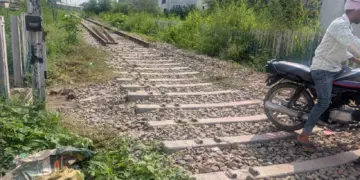





Indian Railways is currently scaling up its infrastructure and monitoring initiatives to combat persistent waterlogging in underpasses across multiple divisions. As monsoon-related disruptions continue to impact daily commuters, students, and farmers, the railway administration is deploying new technical solutions to ensure seamless connectivity. Key developments include:
- Construction of a protective cover shed at the LHS-54 Navtol railway underpass in the Samastipur Division began on July 20, 2026.
- The South East Central Railway has initiated the installation of sensor-equipped pumps and cross drains to facilitate automatic water clearance.
- Divisional administrations are under pressure to resolve drainage issues following public complaints in Siwan and Hapur.
- Ongoing friction between municipal bodies and railway authorities regarding drainage infrastructure projects is being addressed through increased monitoring.
Infrastructure Upgrades and Mitigation Measures
In the Samastipur Rail Division, railway official Ramesh Kumar confirmed that the work at the Jhanjharpur-Laukaha Bazar rail section is being executed according to strict technical standards. This project aims to provide a permanent solution to seasonal flooding that has historically plagued the area. Beyond simple sheds, the South East Central Railway is leading the charge by integrating modern technology, such as sensor-equipped pumps, which automatically activate to clear water from underbridges during heavy rainfall.
Addressing Public Concerns and Regional Challenges
Despite these proactive steps, challenges remain in several regions where incomplete construction or drainage disputes have caused significant inconvenience. On July 25, 2026, the underpass on the main road from Dhobaliya Bazar to Bishanpur Mahuari in Siwan’s Maharajganj became completely impassable due to three feet of accumulated water. Similar concerns were raised in Hapur on July 4, 2026, when the Bhartiya Manvadhikar Trust submitted a memorandum regarding the Chainapuri railway gate underpass, citing incomplete work as the primary cause for flooding.
Coordination and Future Outlook
Collaboration remains a sensitive point; in Bilaspur, local municipal leadership recently expressed frustration, alleging that railway administration policies were hindering broader drainage improvement projects near Sirgitti and Govind Nagar. In response, the Bilaspur Divisional administration has committed to intensified monitoring of all underpasses within its jurisdiction. By combining structural reinforcements like sheds with better inter-departmental coordination, Indian Railways aims to mitigate these monsoon hurdles and improve the daily travel experience for thousands of commuters nationwide.