

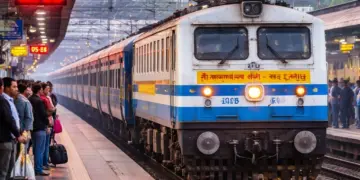


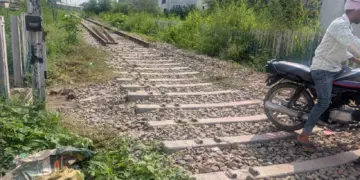

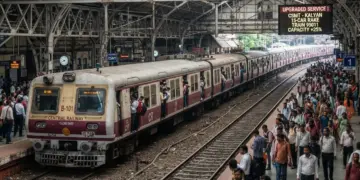


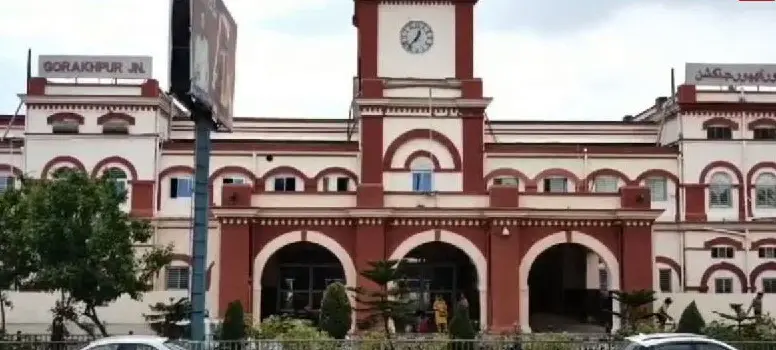

In a major policy shift aimed at accelerating infrastructure development, the Railway Board has streamlined the construction process for Road Over Bridges (ROB) and Road Under Bridges (RUB). Effective July 27, 2026, Indian Railways has removed the mandatory requirement for state government consent, a move set to expedite the elimination of 236 pending level crossings within the North Eastern Railway (NER) zone, including vital projects around Gorakhpur.
- State government consent is no longer required for ROB/RUB construction.
- Railways will now only inform local administrations about level crossing closures.
- The policy mandates a single-agency approach for better quality and safety.
- Most construction costs will now be borne directly by the Indian Railways.
- A budget of approximately 13 crore rupees is earmarked for the initial assessment of the 236 level crossings.
Simplified Policy for Faster Execution
Under the revised guidelines issued by the Railway Board on June 2, 2026, and followed by a specific order on June 5, 2026, the construction of ROBs and RUBs will now be handled by a single agency. This strategic change is designed to ensure higher standards of safety and structural integrity. A significant financial shift also accompanies these updates: the entire cost of construction will now be borne by the Railway itself, except for projects located on national highways, where the relevant road construction agency will continue to provide funding.
General Managers of railway zones have been granted the authority to prioritize these projects based on critical factors such as train mobility, operational safety, and overall public impact. This decentralization allows for quicker decision-making and project commencement.
Impact on Safety and Train Operations
Sumit Kumar, Chief Public Relations Officer of North Eastern Railway, highlighted that this policy change will significantly improve public movement and reduce the frequency of accidents at crossings. Furthermore, by eliminating these level crossings, the railways can increase train speeds and reassign staff previously stationed at these crossings to other essential duties.
Railway Minister Ashwini Vaishnaw has consistently emphasized that the sanctioning of ROB/RUB works remains a dynamic process. By removing bureaucratic hurdles, the ministry aims to ensure that infrastructure projects keep pace with the growing demands of India’s rail network, ultimately enhancing both safety and efficiency for passengers and road users alike.