

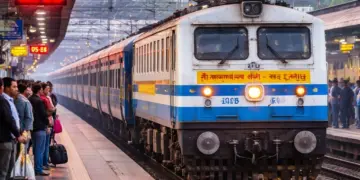

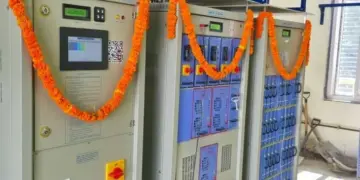





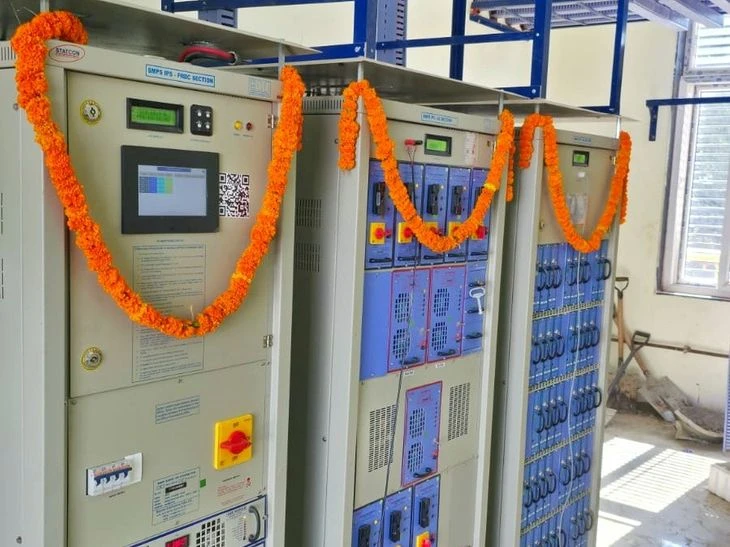

Indian Railways has achieved a significant milestone in its ongoing mission to modernize signaling infrastructure by commissioning the WESTRACE MK-II electronic interlocking system at Siswa station. This state-of-the-art, microprocessor-based technology, developed by Siemens, is set to drastically improve operational efficiency, safety, and network capacity. The transition from legacy signaling methods to this advanced digital solution ensures that the station meets the stringent CENELEC SIL 4 safety certification standards, providing a higher level of protection for all rail traffic passing through the region.
Key highlights of the new signaling upgrade include:
- Advanced Safety Architecture: Utilizes a 2-out-of-2 safety design for maximum reliability.
- Enhanced Diagnostics: Integrated tools allow for superior fault reporting and predictive maintenance.
- Scalable Connectivity: Employs standard Ethernet communication to support both centralized and distributed architectures.
- National Digitization Goal: Part of a wider effort to modernize signaling across the entire Indian Railways network.
Modernizing the Signaling Backbone
The implementation of the WESTRACE MK-II is a strategic move to move away from older, manual-heavy signaling technologies. By utilizing redundant microprocessors, the system ensures that signaling logic remains highly reliable even under heavy traffic loads. For passengers and railway operators, this means smoother train operations and the potential for more frequent service, as the system can handle complex routing with greater precision and fewer technical delays.
A Nationwide Digital Transformation
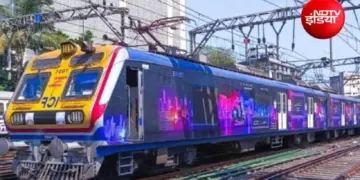
The successful deployment at Siswa station is not an isolated event but part of a comprehensive nationwide initiative. Indian Railways has been aggressively pursuing the digitization of its signaling networks to align with global safety standards. This project follows successful implementations at major hubs like Dadar in Mumbai and serves as a blueprint for planned upgrades currently underway across the Raipur Division. By focusing on predictive maintenance rather than reactive repairs, Indian Railways is effectively reducing downtime and ensuring that the infrastructure remains robust for years to come. As these digital systems continue to roll out, travelers can expect a more reliable and technologically advanced railway experience across the country.