
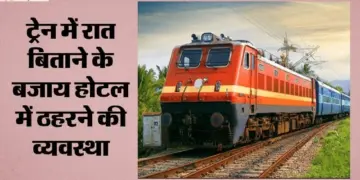

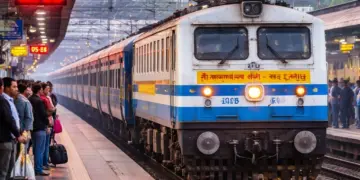
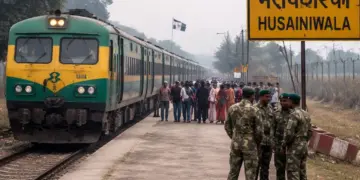
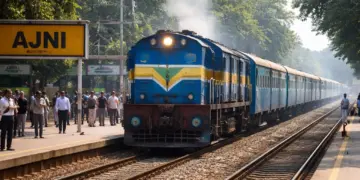


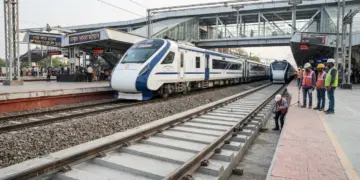
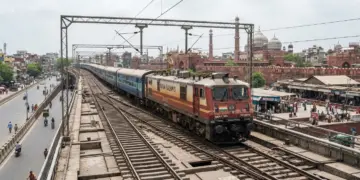

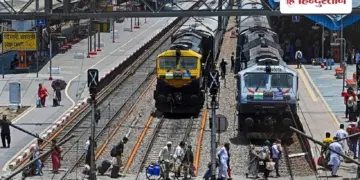

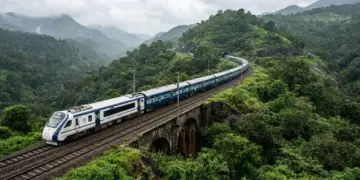
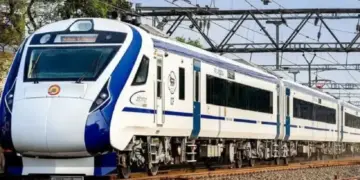
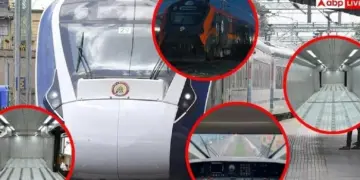
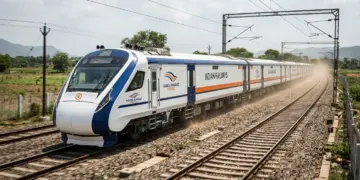


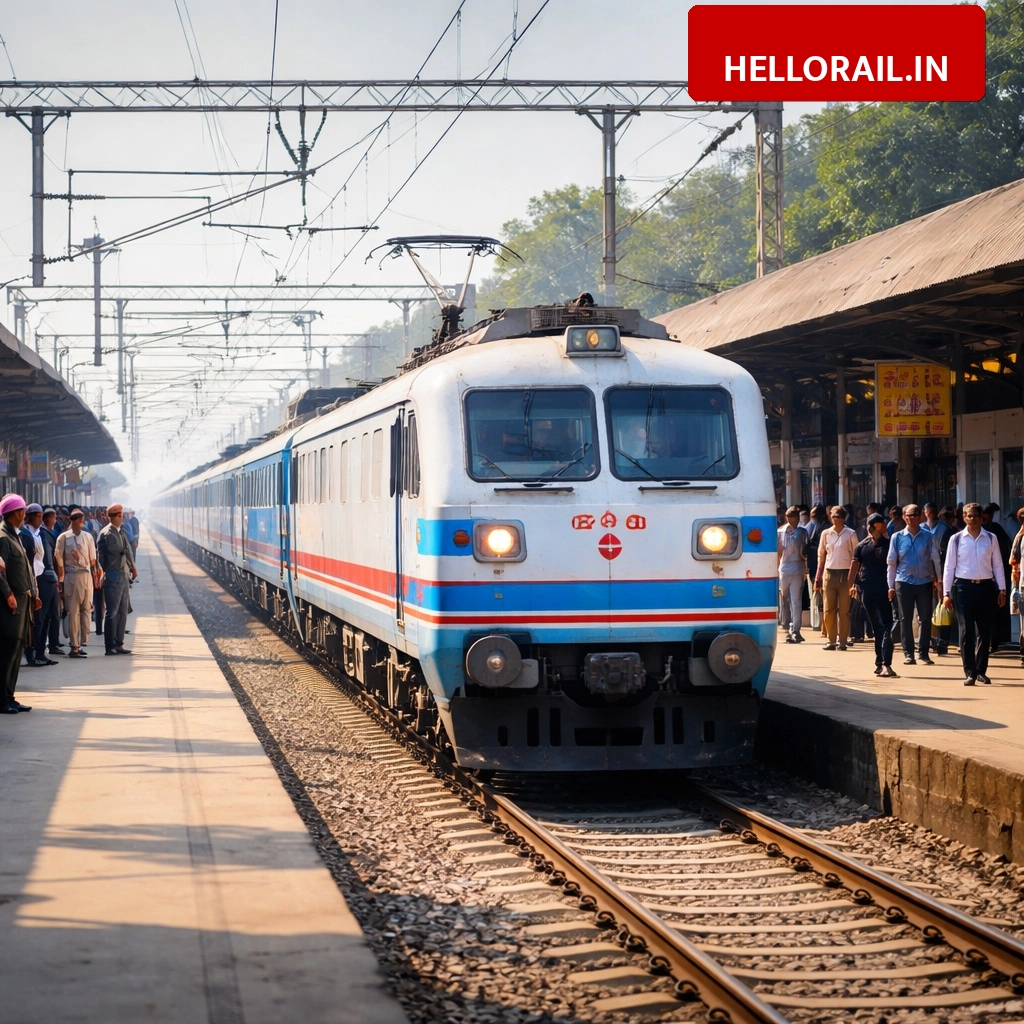

Indian Railways has started operating electric trains on the Bathinda-Abohar-Sri Ganganagar rail section. This move will make travel faster and more environment-friendly for passengers. The electrification of the 127 km long track was completed at a cost of Rs 116.75 crore.
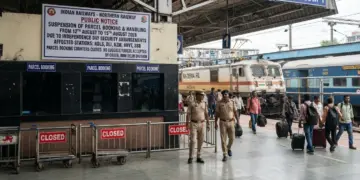
🚨: Kashi Railway Station redevelopment: Notice issued to remove Ganj Shahida Mosque by June 2026।
Which trains will now run with electric engines?
North-Western Railways approved four specific trains to operate with electric traction on this route. These include the Delhi-Sriganganagar Intercity, Sriganganagar-Rishikesh, Sarai Rohilla-Bikaner Express, and Ambala-Sriganganagar trains. The official operations for passenger trains began on June 14, 2026.
How will this benefit the passengers?
The shift to electric engines removes the need to change power systems at Bathinda, which allows trains to move at higher speeds. This change will reduce the travel time between Sriganganagar and Delhi by approximately 60 to 90 minutes. It also opens up possibilities for more long-distance trains to run via Abohar.
What are the new safety updates for this section?
Along with electrification, Indian Railways approved the installation of the Kavach Automatic Train Protection system for the Rajpura-Bathinda-Shri Ganganagar section. This project costs Rs 201 crore for the Ambala Division. The system will automatically apply brakes in unsafe situations and prevent trains from passing signals at danger.
Frequently Asked Questions (FAQs)
How much travel time will be saved between Sriganganagar and Delhi?
The use of electric engines will reduce the travel time by about 60 to 90 minutes because trains no longer need to change power systems at Bathinda.
What is the cost and length of the electrification project?
The electrification of the 127 km long Bathinda-Abohar-Sriganganagar railway track was completed at a cost of Rs 116.75 crore.