







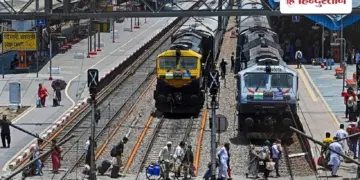

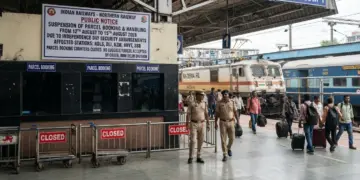
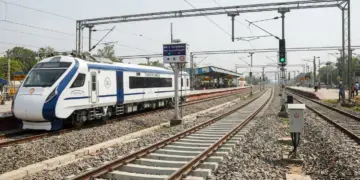

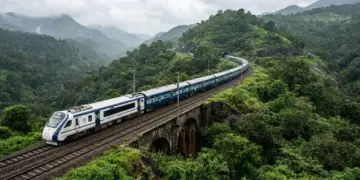
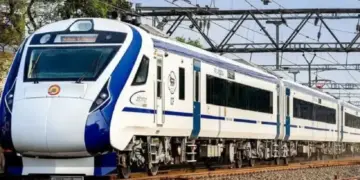





The Central Government has given the green light for the survey of 29 new railway projects in Bihar. Among these, the construction of the rail line connecting Bhagwanpur, Mhaura, Tajpur, and Samastipur is a key highlight. This project, which has been pending for decades, received survey approval in May 2026, and a Detailed Project Report (DPR) will be prepared next.
👉: Raxaul Railway Update: Demand for 6 new daily trains and development of world-class station।
What are the key details of the proposed rail line?
The project aims to connect Karpoorigram and Bhagwanpur via Tajpur and Mhaura. While some reports mention a length of 48.630 kilometers, earlier data from 2018 suggested a 60-kilometer stretch. The plan includes the construction of six crossing stations and one railway halt in Samastipur. An estimated cost of 1692 crore rupees was mentioned in initial reports for this development.
How will this project impact the local region?
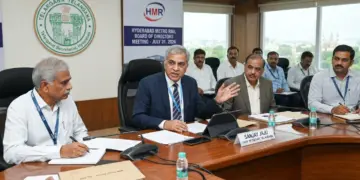
Bihar Government Minister Sanjay Singh stated that the rail line will directly link Mhaura with Bhagwanpur, Tajpur, and Samastipur. This connectivity is expected to provide better transport facilities for the general public. The project is likely to create new opportunities in trade, agriculture, and employment, which will help the economic growth of the entire area.
What is the history and official status of the project?
The survey for this line has a long history, with initial work dating back to 1996. Alignment for the Samastipur-Hajipur line via Bhagwanpur-Mhaura-Tajpur-Karpoorigram was completed in September 2019. Recently, the proposal was pushed by Morwa MLA Ranvijay Sahu in the Bihar Assembly, and the Transport Minister confirmed that the proposal was sent to the Central Government for approval.
Frequently Asked Questions (FAQs)
What is the total length and cost of the Karpoorigram-Bhagwanpur rail line?
The project length is reported between 48.630 km and 60 km, with an estimated expenditure of 1692 crore rupees.
Which stations will be built on this new rail section?
The plan includes the construction of six crossing stations and one railway halt in the Samastipur section.