






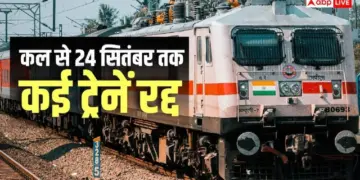
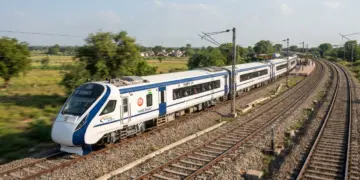





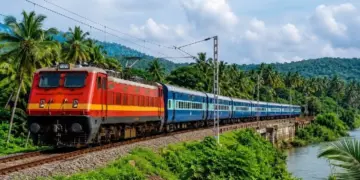
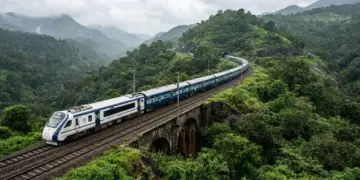
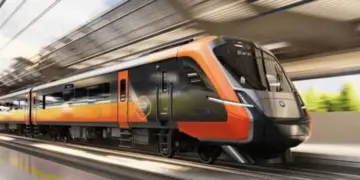
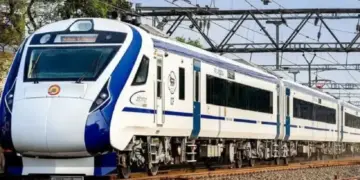


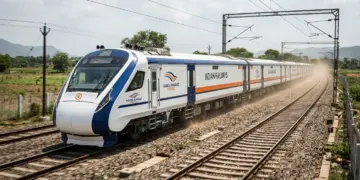


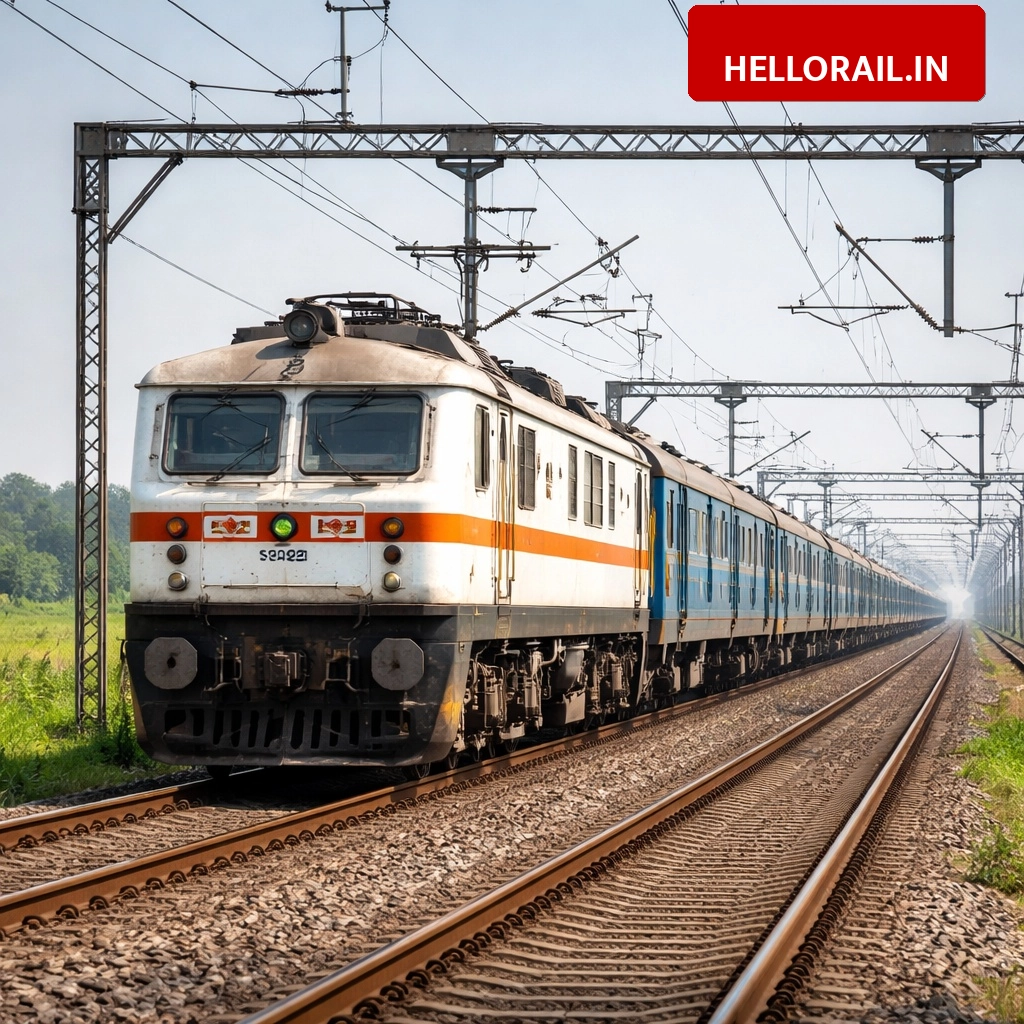

Indian Railways achieved a major milestone by electrifying 99.6% of its broad gauge network as of March 2026. This development marks a shift from 2014 when only about 20% of the network was electrified. The government announced this as a key step toward modernizing the national transporter and reducing dependence on diesel.
How does India compare with other countries in rail electrification?
India has surpassed several developed nations in terms of the percentage of its broad gauge network that is electrified. The current status shows that India is ahead of major rail systems in the UK, Russia, Japan, and China.
| Country | Electrification Percentage |
|---|---|
| India | 99.6% |
| China | 82% |
| Japan | ~60% |
| Russia | ~50% |
| United Kingdom | 39% |
What are the operational benefits and key data points?
The transition to electric traction has led to significant financial and environmental gains. In the financial year 2024-25, the railways saved approximately 180 crore liters of diesel, which translates to a cost saving of around ₹6,000 crore.
- Total Broad Gauge Network: 70,142 KM
- Total Electrified Broad Gauge: 69,873 KM+
- Daily Train Operations: 25,000+ trains
- Passenger Volume (FY 2025-26): 741 crore+
What is the impact on passengers and the environment?
The shift to an electric network provides better speed and capacity for trains. It reduces pollution and ensures a more reliable service for the millions of passengers who travel daily. This initiative aligns with the goals of a Green India and a self-reliant nation by lowering carbon emissions and fuel imports.
Frequently Asked Questions (FAQs)
How much of the Indian Railways broad gauge network is electrified?
As of March 2026, 99.6% of the broad gauge network is electrified, covering over 69,873 route kilometers.
What were the financial savings due to electrification in FY 2024-25?
The railways saved nearly 180 crore liters of diesel, resulting in a financial saving of approximately ₹6,000 crore.