




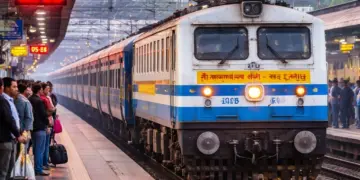


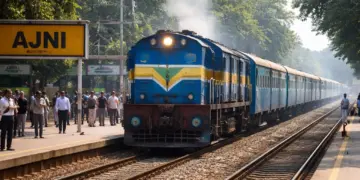





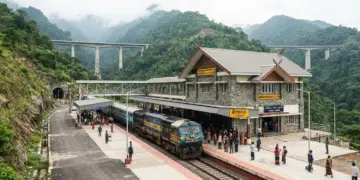













Indian Railways will introduce a new scheduling system to stop passenger trains from waiting for hours for premium trains. This move aims to reduce delays for common trains and improve overall punctuality across the network. The Railway Board is working on this system to ensure a fair path for all types of trains.
What is the Cluster Slot System and how will it work?
The new system, known as the Combined Slot or Cluster Slot System, will group premium trains together. Trains with speeds of 130-160 kmph will run in slots with 5 to 10 minute gaps, while trains with 110 kmph speeds will have separate slots. This smart scheduling ensures that Vande Bharat and Rajdhani trains do not block the path of passenger trains.
How will this benefit common passengers?
The primary goal is to end the dominance of VIP trains on the tracks. On busy routes like New Delhi-Howrah, where over 120 trains run daily, the average delay of 1.5 to 3 hours for superfast trains will drop to just 15-20 minutes. Passenger trains will no longer be stopped for hours, making the journey more reliable for the common man.
Key targets and expected improvements
| Feature | Current Status | Target/Benefit |
|---|---|---|
| Punctuality Rate | 78% – 82% | 95% |
| Passenger Train Wait Time | Hours | 10 – 20 Minutes |
| Estimated Delay Reduction | – | 55% |
| Scheduling Method | Traditional | Cluster Slot System |
Frequently Asked Questions (FAQs)
What is the target punctuality rate after the new system?
Indian Railways aims to increase the current punctuality rate of 78%-82% to 95% using the Cluster Slot System.
How much will the delay for passenger trains decrease?
The estimated delay for passenger trains is expected to decrease by 55%, with wait times dropping from hours to about 10-20 minutes.