














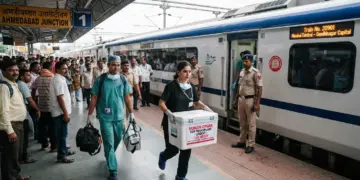



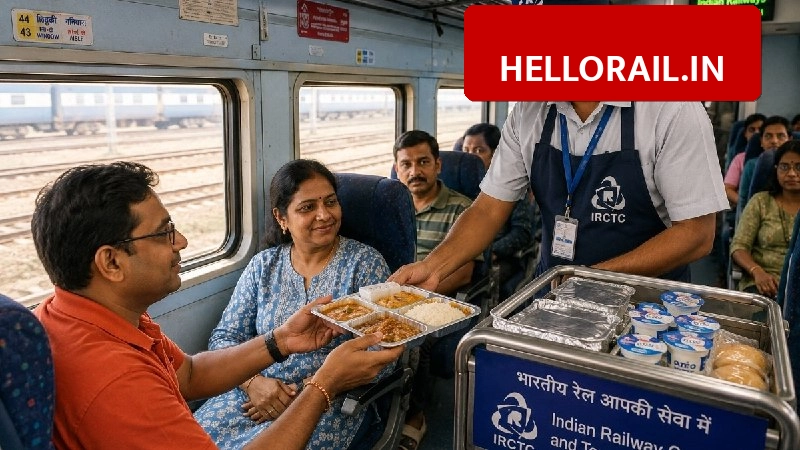

IRCTC has introduced an advanced Artificial Intelligence (AI) surveillance system to improve the hygiene and quality of food served on trains. This move follows several passenger complaints and notices from the Food Safety and Standards Authority of India (FSSAI). The system aims to stop food quality issues before they reach the passengers.
ℹ️: Dibai Kaser Railway Gate: Road traffic to be closed on June 6 and 7 for track repair।
How does the AI system monitor kitchen hygiene?
The system uses 2,394 smart cameras installed across more than 800 base kitchens nationwide. These cameras can detect objects as small as 7-8 mm and identify nine types of hygiene violations. The AI monitors if staff are wearing head caps, hairnets, and transparent gloves, and also checks for the presence of pests like cockroaches or rodents.
What happens when a violation is detected?
All kitchen operations are live-streamed to a centralized War Room at IRCTC’s Delhi headquarters, which works 24/7. When the AI finds a mistake, it automatically creates a ticket to alert the monitoring team. The team then tells the kitchen staff to fix the problem, and action is taken against responsible persons within two hours.
What is the scale of IRCTC catering operations?
| Detail | Data |
|---|---|
| Daily Meals Served | 18 Lakh |
| Total Meals (2025-26) | 60 Crore |
| AI Cameras Deployed | 2,394 |
| Base Kitchens Covered | 800+ |
Frequently Asked Questions (FAQs)
What can the IRCTC AI cameras detect in kitchens?
The cameras detect nine categories of violations, including staff not wearing hairnets or gloves, poor cleaning, and the presence of pests like flies or rodents.
How quickly does IRCTC take action on hygiene lapses?
The AI system alerts a 24/7 War Room in Delhi, and action is taken against the responsible personnel within two hours of the violation.