

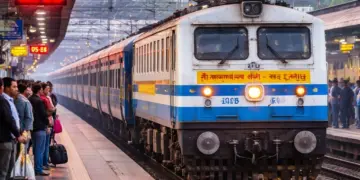

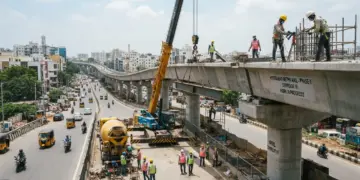
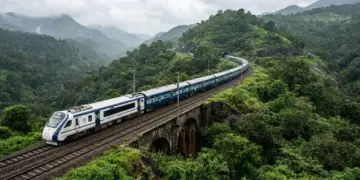
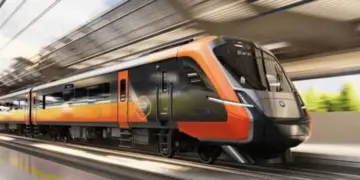
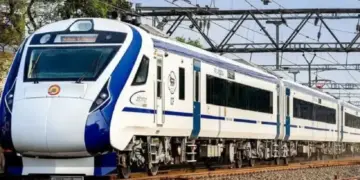
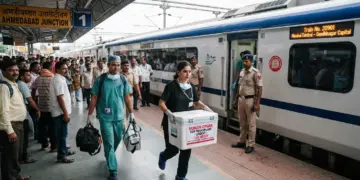



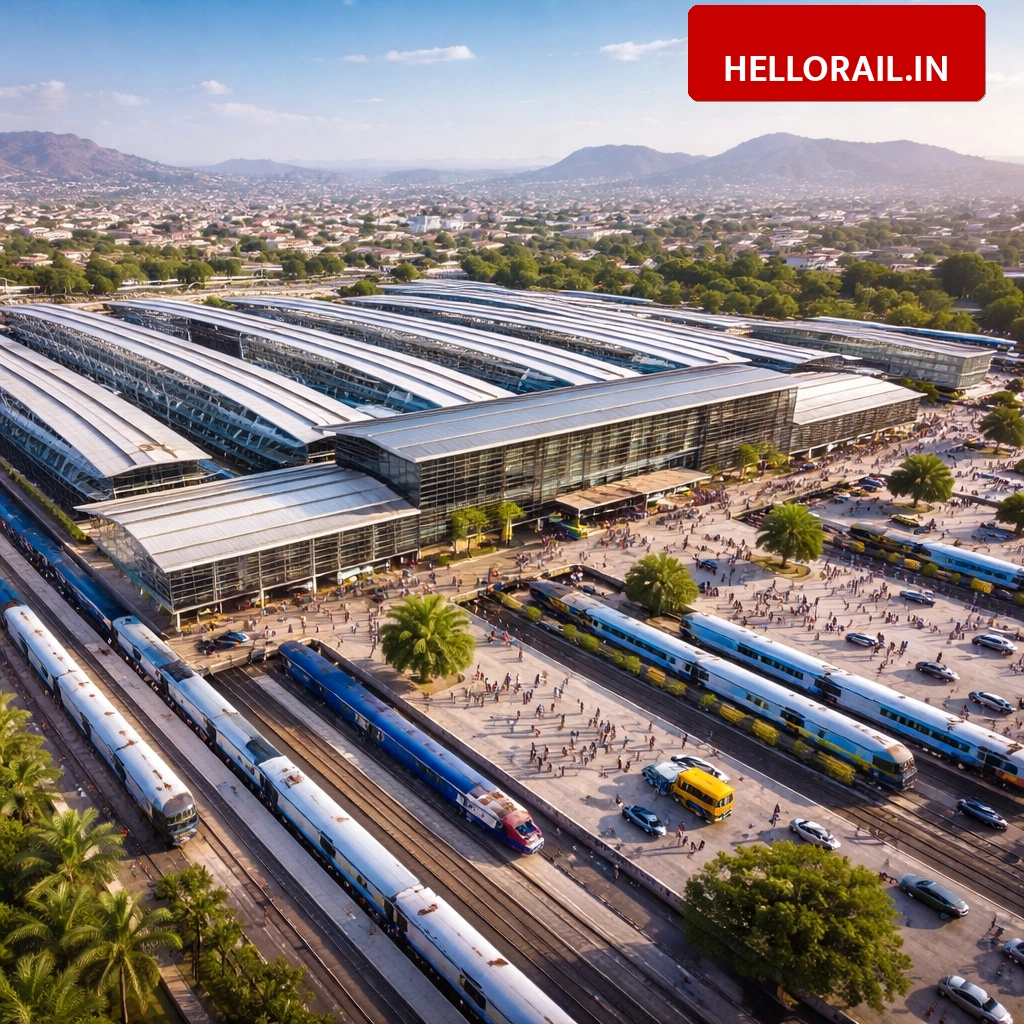

Indian Railways is planning to transform the Bhatton Ki Gali railway station in Jaipur into a massive rail superhub. This project aims to build a Mega Coaching Terminal to reduce the heavy rush at Jaipur Junction and improve train services for North Rajasthan. The development will focus on enhancing maintenance and handling capacity for trains in the region.
What are the key details of the Bhatton Ki Gali project?
The project involves developing the station located on the Jaipur-Sikar rail route near Dehar Ka Balaji. The first phase of this development will require an investment of approximately ₹800 crore. The goal is to double the coaching train handling capacity in Jaipur and Jodhpur by 2030. This will make train operations more flexible and improve punctuality.
What new facilities will be available at the terminal?
The new Mega Coaching Terminal will move beyond being a simple stop. It will be equipped with several technical facilities to ensure trains are maintained locally without occupying main junction lines. The key additions include:
- Pit lines for under-carriage inspection
- Washing lines for cleaning coaches
- Stabling lines for parking trains
- Sick lines for major coach repairs
How will this impact passengers and the region?
North West Railway (NWR) officials stated that developing suburban stations as terminals will increase passenger handling capacity by two to five times. This move will significantly reduce congestion at Jaipur Junction. The Rajasthan government is also supporting the project by helping resolve land encroachment issues to ensure the work finishes within the next two to three years.
Frequently Asked Questions (FAQs)
What is the cost and timeline of the Bhatton Ki Gali project?
The estimated cost for the first phase is approximately ₹800 crore. The facilities are expected to be fully developed within the next two to three years.
Why is the Mega Coaching Terminal being built?
It is being built to reduce the passenger and train load on Jaipur Junction and to increase the overall train handling capacity of the region by 2030.