

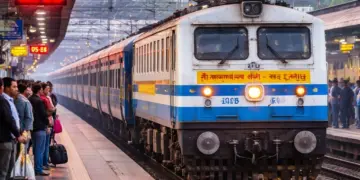


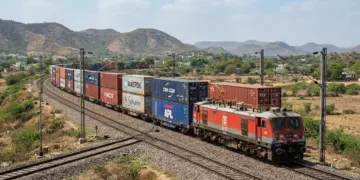



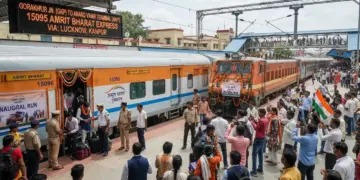
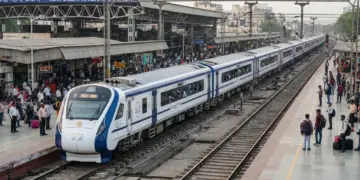

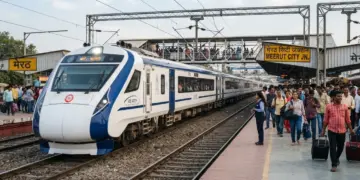
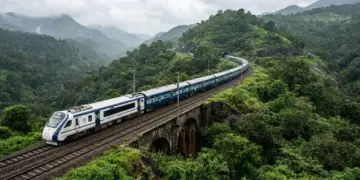
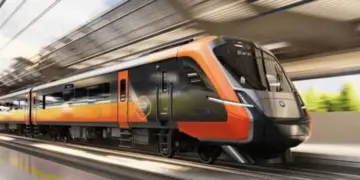
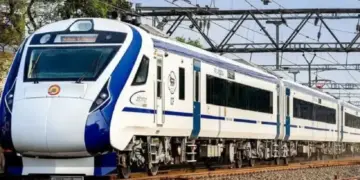
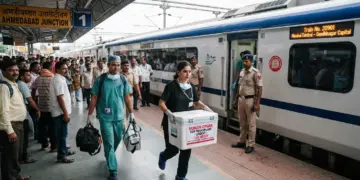


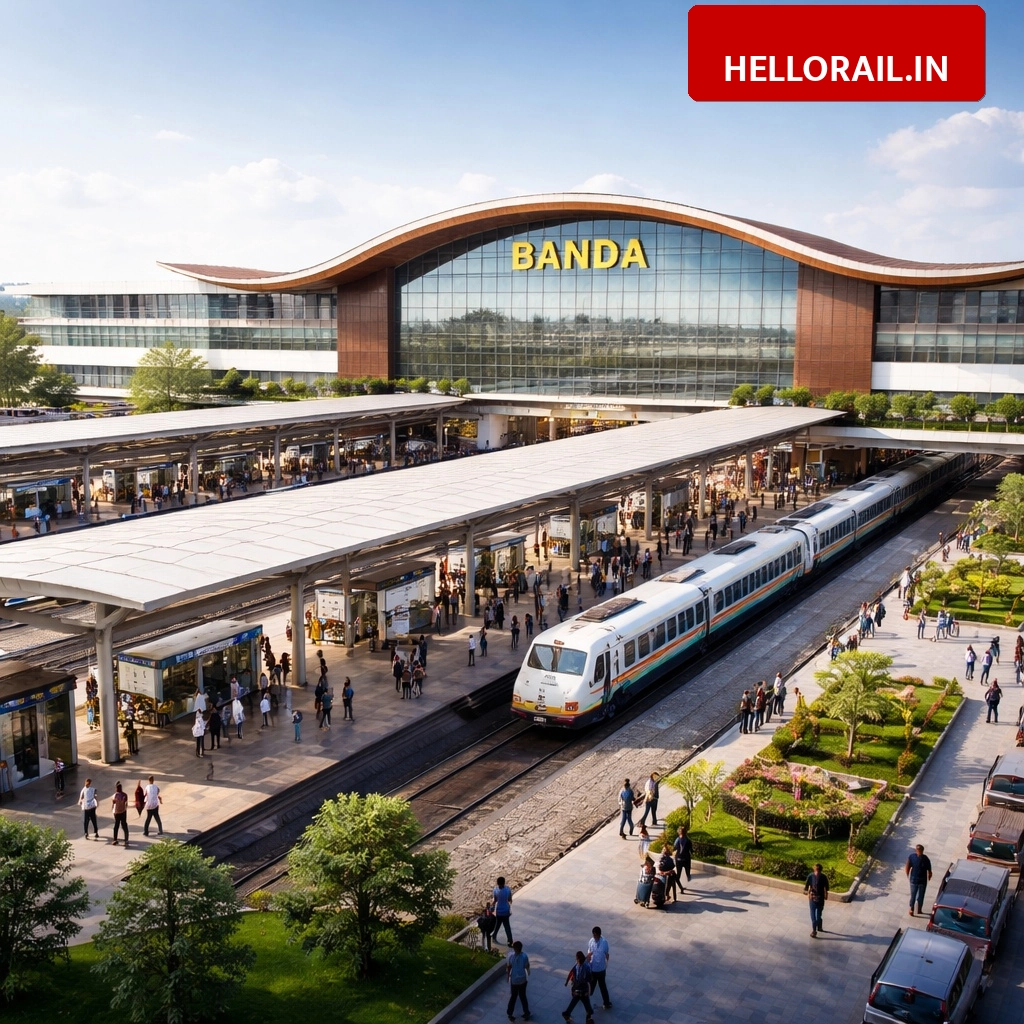

Banda Railway Station is undergoing a major transformation under the Amrit Bharat Station Scheme. The project includes the construction of a modern station building and increasing the number of platforms to improve passenger movement. This development is happening alongside the doubling of the Jhansi-Manikpur rail section to ensure smoother train operations.
ℹ: West Bengal Railway Update: 3 major projects approved and new express train announced।
What new facilities will passengers get at Banda Station?
The station currently has two platforms, which will be increased to four. This will reduce crowding and make train halts easier. To help elderly, women, and disabled passengers, the existing foot over bridge will be extended to platforms 3 and 4, and lifts will be installed. A new modern building will house the Station Director’s office, RPF and GRP police stations, TTE lobby, and the control room in one place so passengers do not have to wander for services.
What is the status of the Jhansi-Manikpur doubling project?
The doubling of the Jhansi-Manikpur section is a massive project spanning 431 km with a cost of approximately ₹4300 crore. Work on the Banda section intensified in October 2025 and is expected to take about two more years to complete. Some sections like Mauranipur-Rora and Khurhand-Badausa are expected to start train operations by May 2026.
Key Project Details and Budget
| Feature | Details |
|---|---|
| Project Scheme | Amrit Bharat Station Scheme |
| Banda Station Budget | ₹22.935 Crore |
| Total Doubling Cost | ₹4329 Crore (Jhansi-Manikpur & Khairar-Bhimsen) |
| New Infrastructure | Modern Building, 2 New Platforms, Lifts |
| Employee Facilities | Type 4 Housing (Ready), Type 2 Running Room (Under construction) |
Frequently Asked Questions (FAQs)
How many platforms will Banda station have after redevelopment?
The number of platforms will be increased from the current two to four to manage train traffic and crowds better.
When will the doubling work at Banda station be completed?
According to Executive Engineer N.K. Chandravanshi, work intensified in October 2025 and will take approximately two more years to finish.