










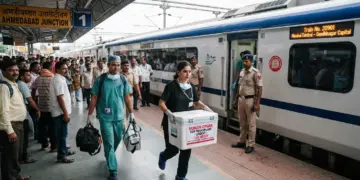


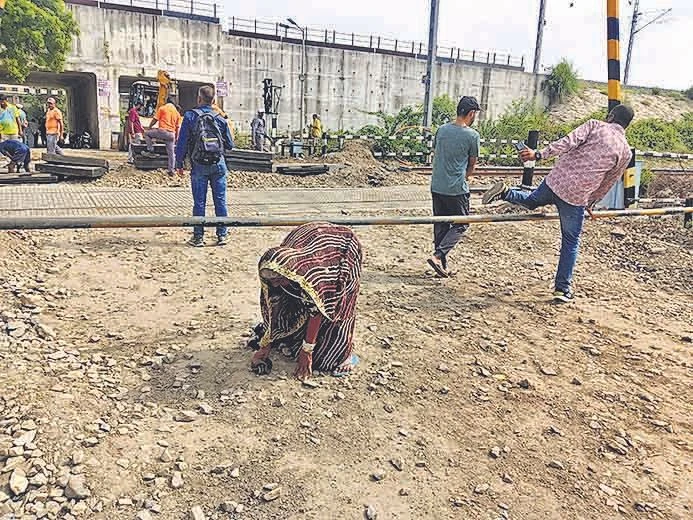

A major operational failure at Railway Level Crossing #26 recently caused massive inconvenience to the public, leaving over 50,000 commuters stranded for nearly an entire day. The crossing, which was scheduled to reopen for road traffic at 6:00 AM, remained locked until 5:00 PM, resulting in an unprecedented 11-hour delay that crippled local transit and daily commutes.
- Over 50,000 commuters were severely affected by the 11-hour closure.
- The gate failed to open at its scheduled time of 6:00 AM, remaining shut until 5:00 PM.
- The incident highlights ongoing challenges in level crossing management across the national network.
- Indian Railways aims to eliminate all level crossings by 2030 through the construction of bridges.
Infrastructure Challenges and Safety Upgrades
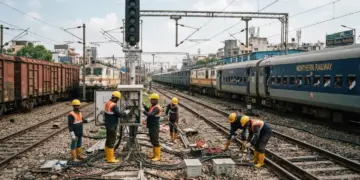
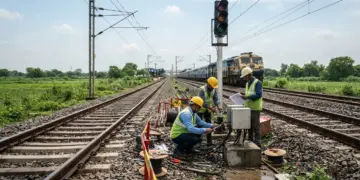
This incident serves as a stark reminder of the complexities involved in managing railway infrastructure while ensuring public safety. While Indian Railways has set an ambitious target to **eliminate all level crossings by 2030** by replacing them with Road Underbridges (RUBs) and Road Overbridges (ROBs), incidents like these underscore the immediate need for better operational oversight. To improve efficiency, the national transporter is actively implementing modern technology, such as the **Electronic Interlocking system** recently commissioned by Southern Railway in the Dindigul – Manaparai section, which helps streamline gate operations and enhance safety.
The Need for Operational Accountability
While authorities occasionally schedule temporary closures for essential maintenance—such as the recent week-long closure at the Uchhila level crossing—unplanned delays of this magnitude draw significant public outcry. The Ministry of Railways frequently conducts safety inspection drives, yet the impact of such prolonged closures on the daily lives of citizens remains a point of contention. Frequent protests regarding closed gates and damaged infrastructure highlight the frustration felt by road users when communication regarding gate status fails. Moving forward, stricter adherence to operational schedules is essential to balance the movement of heavy rail traffic with the needs of the thousands of citizens who rely on these crossings for their daily commute.